2026 Best Roller Shutter Motors How Do They Work?

Time:2026-10-08 Author:Isabella
0%

Choosing the 2026 best roller shutter motors requires more than comparing speed, price, or advertising claims. A reliable motor should match the shutter’s weight, curtain size, installation position, and daily operating frequency. It should also provide steady movement, controlled stopping, and practical protection against overheating.

Many buyers ask, “how does a roller shutter motor work?” In simple terms, an electric motor turns a tubular shaft inside the shutter barrel. The shaft winds or unwinds the curtain around it. Limit switches stop the motor when the shutter reaches its fully open or closed position. Modern systems may add remote controls, wall switches, sensors, timers, or smart-home connectivity.

Small details matter. A motor that sounds quiet in a showroom may become louder inside a metal housing. A shutter that moves smoothly during testing may struggle when dirt builds up around the guides. These observations come from real installation conditions, not specifications alone. Professional measurements and correct torque calculations remain essential.

There is no single motor that suits every property. Interior blinds, garage doors, shopfront shutters, and large security shutters have different demands. Safety edges, manual overrides, thermal protection, and emergency access should be assessed before purchase. Product documentation and qualified installation support offer stronger evidence than vague online rankings.

The comparison is not perfect. Manufacturer ratings can use different testing methods. Wireless features may also depend on signal strength and compatible controls. This guide examines motor types, operating principles, durability, safety features, installation factors, and value, helping readers make a more informed 2026 choice.
2026 Best Roller Shutter Motors How Do They Work?

What Are Roller Shutter Motors and How Do They Work?

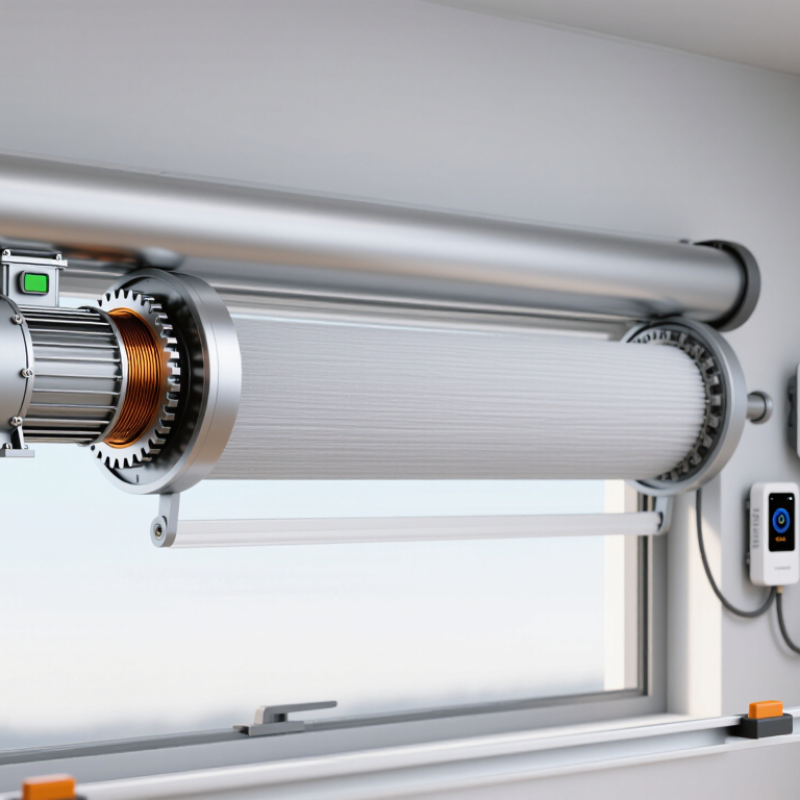
Roller shutter motors are compact electric units installed inside the shutter’s roller tube. They lift, lower, and hold the curtain with controlled torque. Most systems contain a motor, gearbox, limit switches, and a manual release. The motor receives a command from a wall switch, remote, timer, or smart controller. It then turns the tube, winding or unwinding the shutter around it. Limit switches stop movement at programmed upper and lower positions. This prevents unnecessary strain on the curtain and motor.

The motor’s torque must match the shutter’s weight, width, and operating frequency. An undersized motor may overheat or stop halfway. An oversized motor can create harsh movement and unnecessary stress. During professional inspections, technicians check the mounting brackets, cable condition, end limits, and emergency operation. They also listen for grinding or uneven movement. No system is perfectly silent. However, sudden noise usually deserves attention. I have seen minor alignment problems become expensive repairs when ignored.

Tips: Measure the shutter carefully before selecting a motor. Keep the guide rails clean and free from stones or hardened dirt. Test the emergency release occasionally, especially in rooms with limited access. Do not force a shutter that moves slowly or tilts. A qualified installer should adjust torque and travel limits. These settings are easy to underestimate, and incorrect adjustment may damage the curtain. Regular inspection remains more dependable than relying only on remote controls.

Key Motor Types for Different Roller Shutter Systems

Roller shutter motors are not interchangeable. The correct type depends on curtain weight, shaft design, opening size, and daily operating frequency. A motor that works smoothly in a small bedroom may struggle inside a wide shopfront. Fit matters more.

Tubular motors sit inside the roller tube and suit domestic shutters, awnings, and compact openings. They keep the exterior clean and usually operate quietly. Their internal limit settings control the upper and lower stopping points. Central motors mount within the shaft and deliver higher torque for larger curtains. They are useful when the shutter is heavy or operated often. However, shaft compatibility must be checked carefully. Small measurement errors can cause uneven movement, rubbing, or premature wear.

External motors remain outside the shaft and are often selected for industrial shutters or restricted internal space. They offer strong lifting capacity and easier access during maintenance, but they need weather protection and a stable mounting frame. Side motors can also support large commercial systems, especially where direct shaft drive is practical. Noise can mislead. A loud motor may indicate poor alignment rather than weak construction. A qualified installer should test balance, emergency operation, stopping accuracy, and electrical protection before regular use. One overlooked detail is manual override access during a power failure. It is easy to ignore during installation, yet inconvenient when the shutter is closed. No selection is foolproof. Recheck the load and duty cycle.

2026 Best Roller Shutter Motors: How Do They Work?

Key motor types for different roller shutter systems, compared by their typical rated torque range. Higher torque is generally required for wider, heavier, or more frequently operated shutters.

Tubular motors are commonly used in compact residential shutters, while side-mounted and industrial motors are designed for larger curtains and higher operating loads. The ranges shown are indicative engineering values for typical systems and are not associated with any specific manufacturer or brand.

How to Compare the Best Roller Shutter Motors in 2026

Comparing the best roller shutter motors in 2026 requires more than checking lifting speed. A tubular motor sits inside the shutter tube and turns the curtain around it. Internal gearing transfers torque from the electric motor to the shaft. Limit switches stop movement at the selected open and closed positions. The right choice depends on curtain weight, width, installation space, and daily operating frequency.

Begin with the motor’s rated torque, not its advertised speed. A motor that struggles with a heavy aluminum curtain may overheat or stop unevenly. Measure the curtain accurately, then allow a practical safety margin. Check the duty cycle too. A busy shopfront needs stronger thermal protection than a bedroom window. Noise matters in homes, especially near sleeping areas. During installation, listen for grinding, vibration, or delayed stopping. Small sounds can reveal poor alignment.

Control compatibility also deserves careful comparison. Wired switches are simple and dependable, while wireless controls offer flexible scheduling and group operation. Check whether the system supports sensors, manual override, and power-loss operation. Independent test reports and clear technical documents increase confidence. So does a warranty with understandable conditions. Lower purchase cost can become expensive after repeated service calls. I have seen specifications look excellent on paper, yet real performance changed after installation. Measure twice, test under load, and question claims that lack evidence.

2026 Best Roller Shutter Motors How Do They Work? - How to Compare the Best Roller Shutter Motors in 2026

Motor Type How It Works Typical Supply Typical Torque Range Typical Speed Recommended Use Main Advantages Limitations
Tubular AC Motor A tubular motor is installed inside the roller tube. An internal gearbox converts the motor's rotation into controlled shutter movement, while mechanical or electronic limit switches stop the curtain at its upper and lower positions. 110–120 V AC or 220–240 V AC Approximately 10–300 N·m Around 10–30 rpm Residential and light commercial shutters Compact design, concealed installation, straightforward wiring, and broad availability Requires correctly sized torque; many models have limited duty cycles and need mains wiring
Tubular DC Motor A low-voltage DC motor drives a gearbox inside the roller tube. An electronic controller manages direction, stopping points, overload protection, and often battery charging. 12 V DC or 24 V DC Approximately 10–200 N·m Around 10–25 rpm Battery-backed, solar-assisted, and low-voltage installations Improved electrical safety, easier backup-power integration, and flexible installation Needs a suitable power supply or battery system; voltage drop can affect performance
Built-In Receiver Motor The motor contains a radio receiver that accepts commands from a compatible remote, wall control, sensor, or automation gateway. The controller operates the motor and stores its travel limits electronically. 110–120 V AC or 220–240 V AC Approximately 20–120 N·m Around 10–20 rpm Smart homes, retrofit projects, and remote-controlled shutters Less external wiring, convenient remote operation, and easy integration with automation systems Wireless range and control compatibility must be checked; electronics can increase replacement cost
Manual-Override Motor The motor drives the shutter electrically but includes a manual override mechanism, commonly operated with a crank or emergency chain, so the shutter can be moved during a power failure. 110–120 V AC or 220–240 V AC Approximately 60–300 N·m Around 8–20 rpm Security shutters, commercial openings, and emergency-exit applications Provides a fallback operating method when mains power is unavailable Larger installation space, higher cost, and more mechanical components to maintain
Industrial External Motor A separate motor and gearbox are mounted beside or above the shutter barrel. The drive transfers torque through a shaft, chain, or coupling and is controlled by a dedicated control panel. 220–240 V AC, 380–415 V AC, or 24 V DC control circuits Approximately 100–1,000+ N·m Around 5–20 rpm at the output shaft Large industrial doors, heavy grilles, warehouses, and high-cycle installations High load capacity, serviceable components, and suitability for large shutters Requires more space, professional installation, and a suitable control system
Battery-Backed Motor System A DC motor operates from a rechargeable battery. A charger maintains the battery during normal operation, and the system automatically supplies backup power during a mains failure. 12 V DC or 24 V DC Approximately 20–150 N·m Around 8–20 rpm Homes and facilities requiring operation during power interruptions Maintains essential operation during outages and can support controlled emergency opening Battery capacity, charging time, temperature, and battery replacement affect reliability
Torque Selection
Estimate the shutter load, curtain diameter, tube size, friction, and safety margin before selecting a motor. Torque ratings are normally expressed in newton-metres (N·m).
Duty Cycle
Residential motors commonly use intermittent operation. Commercial and industrial shutters should be matched to the required cycles per hour and daily operating frequency.
Protection Rating
For exposed or damp locations, review the enclosure rating. IP44 protects against splashing water, while higher ratings provide greater protection against dust and water.
Safety Features
Prefer systems with thermal protection, obstruction detection, reliable limit control, manual release where required, and compatibility with the shutter's safety devices.

Note: Performance figures shown are typical industry ranges for comparison purposes. Actual torque, speed, duty cycle, noise level, protection rating, and operating limits vary by motor design, shutter size, installation method, and local electrical requirements.

Installation, Wiring, and Control Options Explained

Installing a roller shutter motor starts with accurate measurements and a solid mounting surface. The barrel must sit level, or the curtain may drag and overload the motor. Check the shutter’s weight, shaft size, and available power before selecting a motor. Small errors become noisy problems.

Wiring should be completed by a qualified electrician and isolated at the supply. Most tubular motors use live, neutral, earth, and separate direction wires. The up and down conductors must never receive power together. A wall switch normally uses a momentary or maintained control, depending on the motor design. Follow the supplied wiring diagram, then test movement in short pulses. A neat diagram can still mislead when colors differ between installations.

Limit switches need careful adjustment. Set the fully open and closed positions without forcing the curtain against its guides. Remote controls add convenience, while timers and smart controllers support scheduled operation. Safety edges, obstacle detection, and manual override options may improve practical protection. However, these features are not identical across systems. Check compatibility before connecting anything. The easy assumption is often wrong. After installation, listen for rubbing, uneven travel, or delayed stopping. Recheck the brackets and limits after several cycles, because new materials can settle slightly. Local electrical rules should guide every final connection.

Safety Features, Maintenance, and Common Motor Problems

Roller shutter motors lift and lower the curtain through a controlled electrical drive. Safety features matter most during movement. Obstacle detection can stop or reverse the shutter when it meets resistance. Manual release systems help during power cuts. Thermal protection can also prevent overheating after repeated cycles. Test these functions regularly, because a feature is useless when nobody checks it.

Maintenance is simple but cannot be ignored. Keep guide rails free from grit, leaves, and loose screws. Wipe the curtain with a soft cloth, then inspect unusual noise or uneven movement. A motor that hums without lifting may have a worn capacitor, blocked tracks, or a failing gearbox. Slow operation can indicate voltage problems or excessive curtain weight. I have seen owners blame the motor first, although dirt was the real cause. Still, diagnosis can be imperfect without electrical testing. Do not open the motor housing unless you have suitable training.

Tips: Test the emergency release every few months. Keep children away from moving shutters. Stop using the system if it jerks, smells burnt, or repeatedly trips the power supply. Record when noises begin; small changes often reveal developing faults. Arrange professional inspection when repairs involve wiring, springs, or internal motor parts. A short maintenance note near the control switch can prevent forgotten checks.

FAQS

What is a roller shutter motor?

It is a compact electric unit inside the shutter’s roller tube. It turns the tube to raise, lower, or hold the curtain. Most systems include a gearbox, limit switches, and manual release.

How does a roller shutter motor know when to stop?

Limit switches define the fully open and closed positions. They stop movement before the curtain strains against the guides. Incorrect settings may cause damage.

How should I choose the correct motor size?

Match the motor’s torque to the curtain’s weight, width, and usage frequency. An undersized motor may overheat or stop halfway. An oversized motor can create harsh movement. Measure carefully. Small errors matter.

What should be checked before installation?

Check the shutter’s weight, shaft size, power supply, and mounting surface. The barrel must sit level. A tilted barrel may cause rubbing, noise, and motor overload. The simple assumption can be wrong.

Can I wire a roller shutter motor myself?

Wiring should be completed by a qualified electrician with the power isolated. Direction wires must not receive power together. Follow the correct wiring diagram and local electrical requirements. Wire colors may differ between installations.

Which safety features are useful?

Obstacle detection can stop or reverse movement after resistance appears. Manual release helps during a power cut. Thermal protection reduces overheating after repeated cycles. These features still need regular testing.

How can I maintain a roller shutter motor?

Keep guide rails free from grit, leaves, stones, and loose screws. Wipe the curtain with a soft cloth. Listen for grinding, rubbing, or uneven movement. Test the emergency release every few months.

What does slow or noisy operation mean?

Dirt, blocked tracks, voltage problems, a worn capacitor, or gearbox trouble may be responsible. A humming motor that does not lift needs attention. The motor may not be the real problem. Diagnosis can remain uncertain without electrical testing.

Conclusion

This guide explains what roller shutter motors are, how they operate, and how to choose the right solution in 2026. If you are asking, “how does a roller shutter motor work,” the basic process is simple: an electric motor turns a shaft or tube, causing the shutter curtain to rise or lower along its guides. Different systems may use tubular, external, wired, wireless, or battery-supported motors, depending on shutter size, weight, installation layout, and control requirements. Comparing motors involves checking lifting capacity, torque, speed, noise level, energy use, durability, and compatibility with switches, remotes, sensors, or smart controls.

The article also outlines key installation and wiring considerations, including correct alignment, secure connections, and safe adjustment of travel limits. It reviews useful safety features such as obstacle detection, thermal protection, manual override, and automatic stopping. Regular cleaning, inspection, lubrication where appropriate, and professional testing can help extend service life. Common problems, including unusual noise, incomplete movement, overheating, or unresponsive controls, are also discussed with practical troubleshooting guidance.

Isabella

Isabella

Isabella is a dedicated marketing professional with a sharp focus on driving brand growth and engagement through strategic content creation. With an extensive background in digital marketing, she combines her passion for storytelling with her keen understanding of industry trends to deliver......