Choosing the right roller shutter motor can seem daunting. With so many options available, how to choose the right roller shutter motor becomes crucial for efficiency and safety. The motor you select impacts both functionality and longevity. It's essential to consider not just the compatibility but also the power requirements.
Many homeowners overlook the specifics, such as the weight of the shutter and frequency of use. These factors play a vital role in determining the right motor. A motor too weak may lead to frequent breakdowns, while an overly powerful one can be a waste of resources.
Evaluating brand reliability is also important. Not all motors are created equal, and some brands may cut corners. Researching user reviews and expert opinions can guide you. Reflecting on your unique needs will lead to better choices. Understanding these critical aspects ensures that you invest wisely in your shutter system.
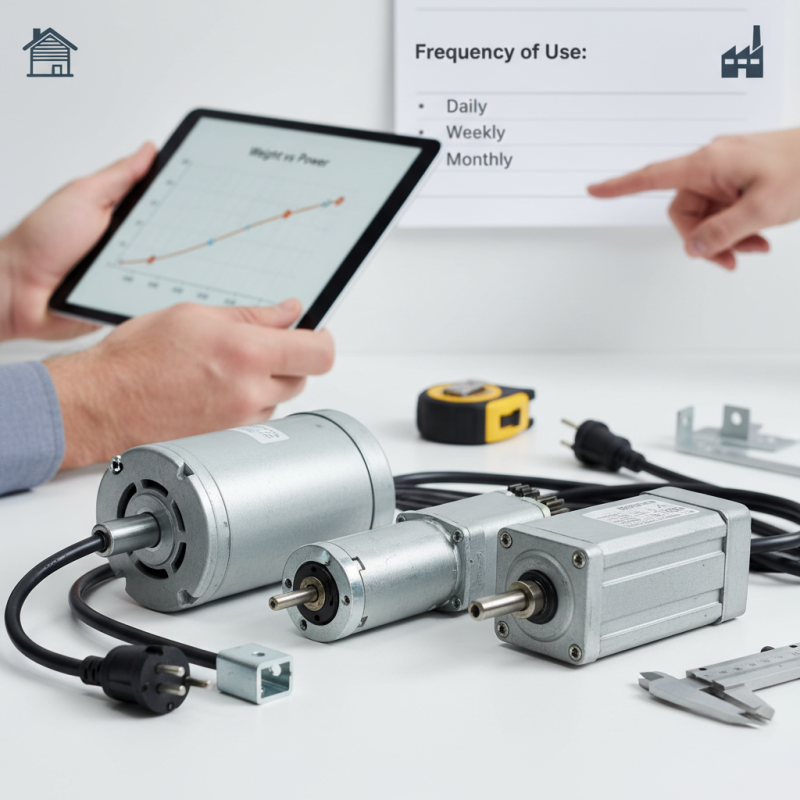
When selecting a roller shutter motor, understanding its functions is crucial. Roller shutter motors control the opening and closing of roller shutters efficiently and safely. They come in various types, including manual, electric, and solar-powered options. Each type has its advantages. For instance, electric motors offer convenience, while solar-powered systems are eco-friendly.
Tips: Consider your space requirements before choosing a motor. Measure the size and weight of your shutters. If they are heavy or large, a more powerful motor is essential. Additionally, think about your usage frequency. Frequent use may require a durable motor to withstand wear over time.
It's important to note that not all motors are equal. Some may have features like remote controls or timers. These can enhance usability. However, more features often mean higher costs. Ensure that the added features truly meet your needs. Research is key. Read reviews and seek advice from professionals when in doubt.
Choosing the right roller shutter motor requires careful consideration of various factors. One of the most critical factors is the motor's power. Motors typically range from 40 to 1200 Newton meters (Nm), depending on the size and weight of the shutters. For standard residential use, a motor with a torque of 60 Nm is often sufficient. However, heavy-duty applications might necessitate motors with higher torque ratings.
Another essential aspect is the type of motor—tube motors or external motors. Tube motors fit inside the roller shaft, providing a clean look and easier installation. External motors, while bulkier, offer more power for larger shutters. According to industry reports, tube motors account for about 70% of the market share due to their ease of use and compact design.
Battery versus mains power is also a point of reflection. Mains-powered motors are reliable and have consistent performance. Conversely, battery-operated alternatives bring convenience but may require more frequent charging. A survey from a leading industry association found that about 40% of users experienced battery-related inconveniences. This data highlights the importance of assessing your specific needs before making a decision.
When selecting a roller shutter motor, understanding the different types available is crucial. There are mainly three types: tubular motors, gear motors, and solar motors. Tubular motors are compact and fit within the roller tube. They are often used in residential settings due to their quiet operation. Gear motors offer more power and durability, making them suitable for larger shutters in commercial applications. Solar motors harness energy from the sun, promoting eco-friendly solutions.
Each type serves unique needs. For small residential shutters, a tubular motor may suffice. However, businesses with extensive security needs might opt for gear motors for their strength. Solar motors can be perfect for areas with access to sunlight. Evaluating your space's requirements and usage frequency is essential.
Remember that choosing the right motor isn’t always straightforward. Some may overlook the importance of motor power and compatibility with the shutter design. This could lead to insufficient performance or even damage. Careful consideration of your specific situation ensures long-term satisfaction with your roller shutter system.
| Motor Type | Power Source | Best Applications | Advantages | Considerations |
|---|---|---|---|---|
| AC Motors | Electricity | Commercial and Industrial | High durability and efficiency | Requires electrical installation |
| DC Motors | Battery or Electricity | Residential and Light Commercial | Quiet operation and easy to install | Limited power and torque |
| Solar Motors | Solar Panels | Outdoor and Remote Locations | Eco-friendly and energy-efficient | Dependent on sunlight availability |
| Gear Motors | Electricity | Heavy-duty applications | High torque and control | Requires maintenance |
| Tubular Motors | Electricity | Roller shutters and blinds | Compact and versatile | May have lower power output |
When choosing a roller shutter motor, evaluating power requirements is crucial. The motor must match the specific size and weight of your roller shutter system. A motor that’s too weak may struggle or fail to operate efficiently. Conversely, an overly powerful motor can lead to higher energy costs and potential damage to the shutter material.
Consider the weight of the shutter. Heavy shutters require stronger, more robust motors. You should also account for the frequency of use. A motor used frequently needs to handle more cycles and could benefit from enhanced durability. Analyzing power ratings and torque can help ensure a suitable match. Testing different motors is also recommended to assess their performance in real-world scenarios.
It is important to think about the installation environment as well. Factors like temperature changes and exposure to moisture can affect motor life. A motor that works well in an ideal setting may falter in extreme conditions. Researching and consulting with industry experts can provide valuable insights into the best options for specific needs. Every choice has implications, so reflect on long-term usage and operational costs before making a decision.
This bar chart illustrates the power requirements for different duty classes of roller shutter motors. Each class indicates the weight capacity, impacting the wattage needed for efficient operation.
Choosing the right roller shutter motor is essential for optimal function and safety. Proper installation and maintenance can prolong the life of the motor and ensure it operates efficiently. According to industry studies, nearly 30% of motor failures can be traced back to improper installation and lack of maintenance. Understanding how to avoid these pitfalls is crucial.
When installing a roller shutter motor, consider the weight and size of the shutter. A motor designed for heavier shutters needs to have a higher torque rating. Ensure all electrical connections are secure to prevent short circuits. Always follow the manufacturer's installation guidelines closely. This adherence helps avoid potential issues down the line.
Regular maintenance is vital to extend the life of your roller shutter motor. Check the mechanical components for wear and tear, especially if the shutters are frequently used. Lubricate moving parts as needed, but avoid over-lubrication, which can collect dust. A professional inspection annually can help identify problems before they escalate. Don't wait for signs of failure before taking action. Being proactive saves time and money in the long run.
: Consider the size and weight of your shutters. This will influence motor power needs.
A motor that’s too weak may not operate efficiently. A powerful motor can increase energy costs.
Motors come in manual, electric, and solar-powered types. Each type has its unique advantages.
Features enhance usability but can raise costs. Ensure they meet your actual needs before deciding.
Frequent use requires a more durable motor. Balance it against potential costs and benefits.
Power ratings and torque help ensure you select a suitable motor for your shutters' demands.
Temperature changes and moisture can impact motor life. Research these conditions carefully.
Testing different motors can reveal how well they perform in real-world conditions.
An incorrect choice can lead to inefficiency or damage. Reflect on all implications before deciding.
Yes, consulting experts can provide valuable insights. It's wise to gather information before making choices.
Choosing the right roller shutter motor is essential for ensuring the efficiency and functionality of your roller shutter system. To begin with, it's important to understand the basic functions of roller shutter motors, including their role in providing security and ease of use. When considering how to choose the right roller shutter motor, key factors such as the motor's power requirements, the type of shutter you have, and its intended use must be taken into account.
There are various types of roller shutter motors available, each suited for different applications, ranging from residential to commercial use. Evaluating the power needs specific to your roller shutter system will help you select an appropriate motor that meets operational demands. Lastly, proper installation and regular maintenance are crucial for the longevity and performance of the motor, ensuring that it operates smoothly over time. By following these guidelines, you can make an informed decision on how to choose the right roller shutter motor for your needs.

Torsion Motor