In recent years, automation has become a game-changer in various industries, including the realm of shutter motor systems. Understanding how does automation impact shutter motor systems is crucial for manufacturers and consumers alike. Automation streamlines operations, reduces manual effort, and enhances precision in the functioning of these systems.
By incorporating smart technology, shutter motor systems can adjust automatically based on environmental changes. This intelligent adaptability not only improves functionality but also boosts energy efficiency. For instance, motors can close during strong winds or open with sunlight, optimizing conditions in residential and commercial spaces. However, the integration of such technology comes with challenges. The initial setup can be complex, demanding expertise for installation.
Moreover, if not properly maintained, automated systems may experience glitches. Therefore, while the transformation through automation is evident, reflections on the process and potential pitfalls are essential. This balance between innovation and reliability shapes the future of shutter motor systems.
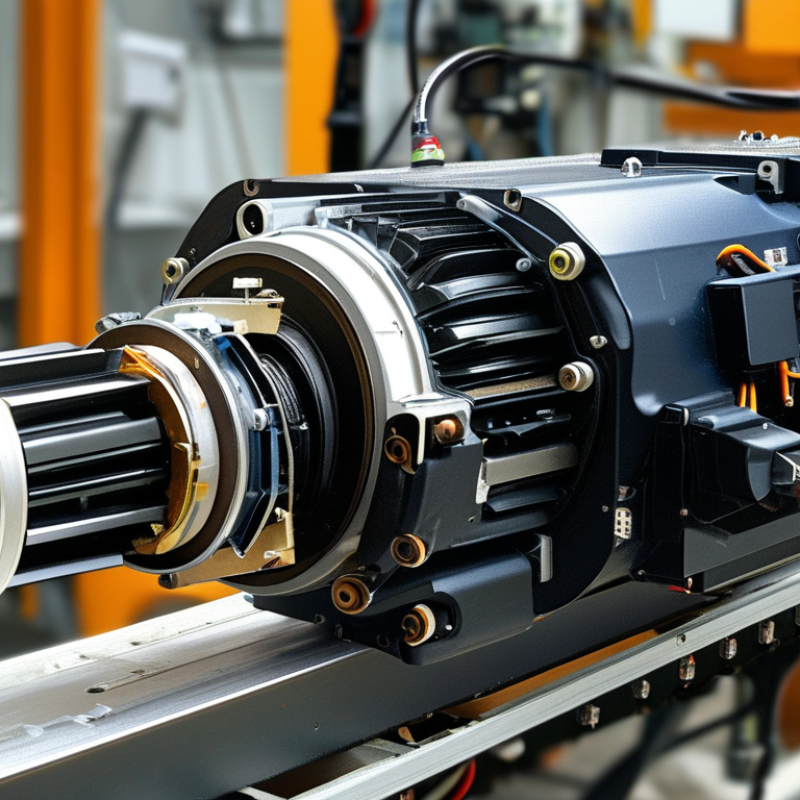
How Automation Enhances Efficiency in Shutter Motor Systems
Automation is revolutionizing shutter motor systems. It enhances efficiency through precise control and streamlined operations. For instance, automated systems adjust shutter positions based on sunlight intensity. This functionality reduces energy costs significantly.
Moreover, automation allows for real-time monitoring. Users can receive alerts for maintenance needs. This proactive approach minimizes downtime and enhances system reliability. However, depending on technology raises concerns about over-reliance. Not all issues can be resolved automatically. Regular manual checks remain essential.
Additionally, automation can sometimes complicate repairs. Technicians may need specialized training to address complex systems. Ensuring that the workforce is adequately prepared is crucial. Striking a balance between automated efficiency and human oversight is vital. The goal is to improve performance without losing adaptability.
Key Technologies Driving Automation in Shutter Mechanisms
Automation is reshaping the landscape of shutter motor systems. Key technologies driving this transformation include smart sensors, advanced control algorithms, and IoT connectivity. According to a recent industry report, the global market for automated shutter mechanisms is projected to grow at a CAGR of 13% over the next five years. This highlights the increasing demand for efficiency and convenience in building management.
Smart sensors play a critical role in this evolution. They enable real-time monitoring and adjustment of shutter positions based on environmental conditions. For instance, if sunlight increases, these sensors can automatically adjust the shutters to maintain optimal indoor lighting. Research indicates that integrating such technologies can lead to energy savings of up to 30%. Yet, the reliance on these systems raises questions about their vulnerability to failures and hacking.
Advanced control algorithms enhance the function of shutters by allowing for programmed schedules and remote access. Users can control their shutters from anywhere through mobile applications. However, this convenience comes with challenges, including the need for robust cybersecurity measures. As automation continues to advance, balancing efficiency with security becomes paramount. The future of shutter motor systems promises exciting developments, yet careful considerations are necessary to address potential drawbacks inherent in increased automation.
The Role of Sensors in Automated Shutter Motor Systems
The integration of sensors in automated shutter motor systems plays a crucial role in enhancing functionality and efficiency. Sensors provide real-time feedback, allowing systems to react to changing conditions. According to a recent industry report, approximately 70% of automated shutter systems utilize various sensor technologies, including infrared and ultrasonic sensors. These technologies ensure precise positioning and control, significantly reducing the risk of operational errors.
One of the most significant advantages lies in the increase in energy efficiency. Automated shutter systems equipped with sensors can adapt to environmental changes. For example, when sunlight intensifies, the sensors trigger the shutters to close, thus regulating indoor temperatures. Studies show that this can lead to a reduction in energy consumption by up to 30%. However, implementing sensor technology is not without challenges. Calibration issues can arise, leading to false readings and diminished effectiveness.
Moreover, the cost of integrating advanced sensors into existing systems can be a barrier for many. Investing in newer technology requires careful consideration and long-term planning. Yet, the potential benefits of increased efficiency and comfort generally outweigh these concerns. The evolving landscape of automation continues to raise questions about the balance between advanced technology and practical application.
Benefits of Automation for Energy Conservation in Shutter Operations
Automation in shutter motor systems significantly enhances energy conservation in building operations. According to the U.S. Department of Energy, automated control systems can lead to energy savings of up to 30%. This is largely due to the precise regulation of shutter positions based on real-time conditions. For instance, during peak sunlight, shutters can automatically close to minimize heat gain, thereby reducing the need for air conditioning.
Integrating smart sensors and timers into shutter operations is another effective way to conserve energy. These sensors adjust shutter positions according to lighting levels throughout the day. A study in the Journal of Building Performance indicates that buildings equipped with this technology can achieve an average energy savings of 20%. Furthermore, automated systems reduce the likelihood of human error, which can lead to inefficient operation and excessive energy use.
While automation improves efficiency, it is critical to ensure that systems are correctly calibrated and maintained. Poorly configured sensors may inadvertently increase energy consumption instead of reducing it. Continuous monitoring and regular assessments are necessary for optimal performance. The potential for energy savings through automation is vast, but it requires an ongoing commitment to best practices and system upkeep to realize its full benefits.
5 Essential Tips on How Automation Transforms Shutter Motor Systems? - Benefits of Automation for Energy Conservation in Shutter Operations
| Tip Number |
Automation Benefit |
Description |
Energy Savings (%) |
| 1 |
Remote Control |
Allows users to operate shutters from anywhere, reducing energy use when not needed. |
15 |
| 2 |
Scheduling |
Automated opening and closing based on time of day for optimal natural lighting. |
20 |
| 3 |
Sensor Integration |
Sensors detect sunlight and adjust shutters to minimize heating or cooling needs. |
25 |
| 4 |
Energy Monitoring |
Tracks energy use and patterns, enabling smarter decisions and adjustments. |
10 |
| 5 |
Maintenance Alerts |
Alerts for potential issues, preventing larger problems and energy waste. |
5 |
Real-World Applications of Automated Shutter Motor Solutions
Automation is revolutionizing shutter motor systems across various industries. One significant application is in smart homes, where automated shutters enhance energy efficiency by optimizing natural light. According to a recent report by the International Energy Agency, automated systems can reduce energy consumption by up to 30% in residential settings. This shift not only promotes sustainability but also delivers financial savings for homeowners.
In commercial settings, automated shutter solutions contribute to safety and security. For instance, retail stores use automated shutters to protect their assets during closed hours. A study by the Security Industry Association indicates that businesses utilizing such systems experience a 20% decrease in theft-related incidents. However, as automation expands, concerns about system reliability arise. The potential for malfunctions or cybersecurity threats requires ongoing evaluation and improvement.
The integration of automation in shutter systems also finds a place in the healthcare sector. Automated blinds in hospitals adjust to provide optimal lighting for patient recovery. This adjustment can lead to improved patient outcomes, as proper light exposure aids in healing. However, healthcare facilities must continuously assess the balance between automated convenience and the potential impact on human oversight, ensuring that automation complements rather than complicates care.
Impact of Automation on Shutter Motor System Efficiency
This chart illustrates the efficiency gains achieved through different levels of automation in shutter motor systems. As automation increases from manual operation to advanced automation, efficiency significantly improves, demonstrating the transformative impact of automated solutions.
FAQS
: Automation improves efficiency through precise control and streamlined operations. It adjusts shutter positions based on sunlight.
They can reduce energy consumption by up to 30%. This promotes sustainability and lowers energy costs for homeowners.
They protect assets during closed hours, leading to a 20% decrease in theft-related incidents in businesses.
There are concerns about over-reliance on technology. Not all issues can be resolved automatically.
Regular checks are essential, as they help identify issues that automation may miss, maintaining system reliability.
Complex systems may require specialized training for technicians. This can pose challenges if the workforce isn't adequately prepared.
They adjust to provide optimal lighting for patient recovery. Proper light exposure can improve patient outcomes.
Striking a balance between automation and human oversight is crucial. Automation should enhance, not complicate, performance.
Continuous assessments of system reliability and potential cybersecurity threats are necessary as automation expands.
Malfunctions can occur, highlighting the need for precaution and regular maintenance. Over-reliance could hinder adaptability in emergencies.
Conclusion
Automation has a profound impact on shutter motor systems by enhancing efficiency through advanced technologies. By integrating key technologies such as smart controllers and data analytics, automation streamlines the operation of shutter mechanisms, resulting in improved responsiveness and decreased manual intervention. Moreover, sensors play a crucial role in automated shutter motor systems by providing real-time feedback, which allows for precise control and adjustment of shutter positions based on environmental conditions.
Additionally, the benefits of automation extend to energy conservation, as automated systems optimize usage and reduce waste during operations. Real-world applications demonstrate that automated shutter motor solutions are increasingly adopted in residential, commercial, and industrial settings, showcasing their effectiveness. Overall, understanding how does automation impact shutter motor systems is essential for leveraging these advancements to achieve higher efficiency and sustainability.

 Torsion Motor