Understanding "what causes roller shutter motor failure" is crucial for effective maintenance and long-term performance. Roller shutters are common in various settings. They provide security and insulation. However, motor failure can disrupt their functionality. Identifying the root causes can help prevent costly repairs.
Common issues include wear and tear, electrical faults, and poor installation. Motors often face stress due to environmental factors. Extreme temperatures can affect performance. Improper alignment can also lead to premature failure. Regular inspections are essential to spot early signs of trouble.
Many users overlook the importance of routine maintenance. Some may not notice small problems until it’s too late. Ignoring unusual noises or slow operation can lead to significant failures. Awareness can save time and money. By investigating these causes, users can enhance the longevity of their roller shutters.
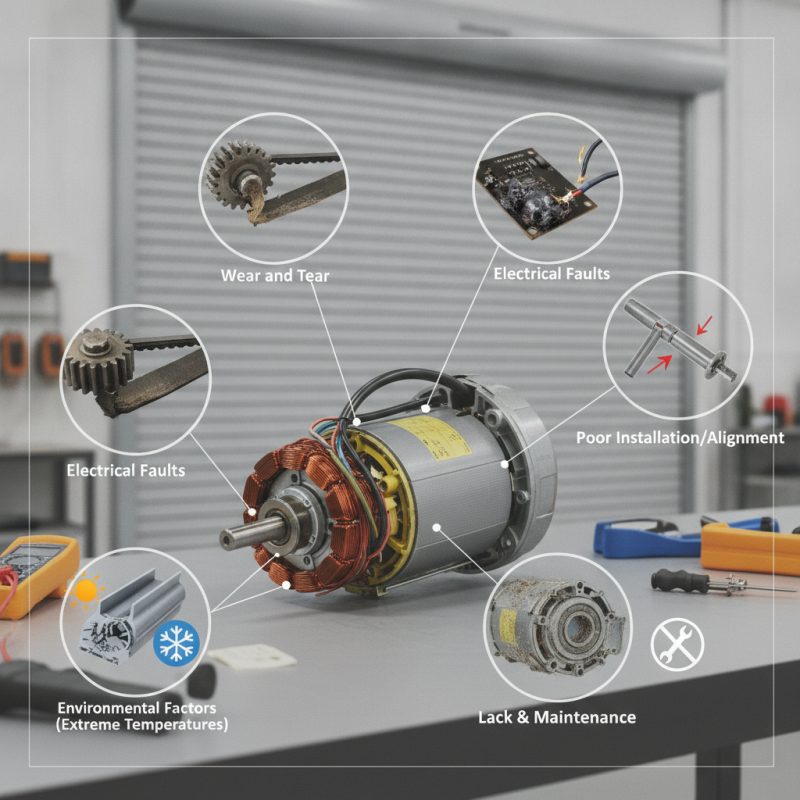
Roller shutter motors play a crucial role in operating security and convenience features in various settings. These motors are designed to lift and lower roller shutters smoothly. They come in different types, including electric and manual motors. Each type serves a specific purpose, providing varying degrees of security and ease of use. Understanding these functions is essential for troubleshooting any issues related to motor failure.
Common causes of failure often include electrical problems, mechanical wear, and excessive force. Over time, components may wear out, leading to inconsistent operation. This wear can occur due to weather exposure or frequent use. Regular maintenance can help identify these issues early. Small signs, like unusual noises or slow movements, should not be ignored.
Users may notice that maintenance tasks are often overlooked. This neglect can lead to more significant issues down the line. Maintaining a routine check on the motor and its components is essential for longevity. Additionally, keen observation can help spot potential fault lines. Investing in knowledge about these motors ultimately contributes to better functionality and fewer breakdowns.
| Causes of Failure | Description | Preventive Measures |
|---|---|---|
| Electrical Issues | Problems with wiring or power supply can lead to motor failure. | Regularly inspect wiring for damage and ensure a stable power supply. |
| Mechanical Obstructions | Debris or misaligned components can block the shutter's movement. | Keep the area around the shutter clean and check alignment regularly. |
| Wear and Tear | Age-related degradation of parts can lead to failures. | Schedule routine maintenance to replace worn-out components. |
| Overloading | Excessive weight on the shutter can strain the motor. | Avoid placing heavy objects on or near the shutter. |
| Environmental Factors | Moisture and extreme temperatures can affect motor performance. | Install protective covers and check for signs of environmental damage. |
: Common signs include unusual noises like grinding or whining, and delayed responses to controls.
Test the motor's functionality regularly and note any changes in operational sounds.
Mechanical problems like gear and shaft wear or debris accumulation account for many failures.
Regular maintenance can extend the motor's lifespan by preventing potential issues from escalating.
Routine lubrication every six months helps keep moving parts functioning well and reduces wear.
Dust, moisture, and extreme temperatures can all negatively affect how a motor operates.
Inconsistent movement may signal a problem. Check for debris or consider a professional inspection.
Regular inspections are key. They can uncover issues early, helping avoid more significant repairs.
Yes, excessive lifting and lowering can overstrain the motor. Track usage to adjust maintenance accordingly.
Encourage regular cleaning and vigilant inspections to promote longevity and avoid costly repairs.
The article titled "2026 How to Identify Causes of Roller Shutter Motor Failure?" delves into the essential aspects of roller shutter motors and their functionality. It begins by exploring what causes roller shutter motor failure, highlighting common signs such as unusual noises and inconsistent operation. The article further discusses the importance of diagnosing electrical issues, which can stem from faulty wiring or power supply problems, as well as various mechanical issues that may lead to motor malfunctions, such as misalignment and wear and tear.
Additionally, the piece emphasizes the significance of preventative maintenance to help mitigate these failures. Regular inspections and timely repairs can significantly prolong the lifespan of roller shutter motors, ensuring they operate efficiently. By understanding these factors, homeowners and property managers can take proactive steps to maintain their roller shutter systems and prevent costly repairs in the future.

 Torsion Motor