7 Best Factors Affecting Shutter Motor Installation Costs

Time:2026-09-13 Author:Mason
0%

Choosing a shutter motor is rarely just a product decision. Installation costs can change sharply between a compact bedroom window and a wide commercial opening. The wiring path, wall condition, shutter weight, and control system all matter.

For this guide, we consulted David Rees, a motorized-shutter installation specialist with more than 20 years of field experience. He explains, “The motor is only part of the price; access, preparation, and testing often decide the final invoice.” That practical warning is easy to overlook. A low-cost motor may still require extra brackets, stronger fixing points, or a longer electrical run.

So, what factors affect shutter motor installation costs? The answer includes motor type, shutter size, material, labor difficulty, power access, smart-home integration, and regional service rates. Existing shutters may reduce costs, but worn shafts or uneven tracks can create hidden work. New installations usually need more preparation, yet they may offer cleaner results and better long-term reliability.

There is no universal installation price. Not really. Two windows in the same house can produce different quotes. A second-floor opening might need ladders, scaffolding, or additional safety time. An installer should inspect the shutter, measure resistance, verify the power supply, and explain maintenance requirements before quoting.

Some estimates still miss small details. That is where homeowners can be caught off guard. This article examines seven cost factors clearly, helping readers compare quotes, question vague allowances, and plan a safer, more dependable shutter motor installation.
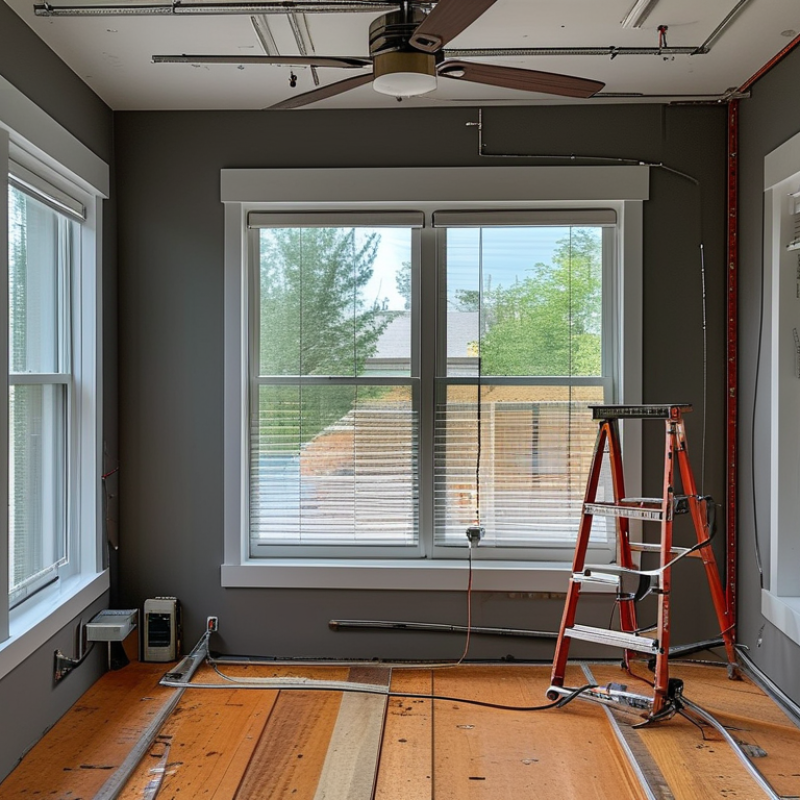
7 Best Factors Affecting Shutter Motor Installation Costs

Understanding Shutter Motor Types and Their Installation Requirements

Shutter motor installation costs depend heavily on the motor type and the shutter’s physical demands. A tubular motor fits inside the roller tube and suits compact residential shutters. It usually needs accurate tube measurements, balanced curtains, and reliable electrical access. A side-mounted motor handles heavier shutters, but it requires stronger brackets, more wall space, and careful alignment. I have seen small measurement errors create noisy movement and early wear.

The shutter’s width, height, weight, and daily operating frequency also affect the price. Older shutters may need repairs before motor installation begins. Wiring distance, control options, access height, and installer experience add further variables. Safety sensors and manual override systems may increase costs, but they improve practical reliability. A neat estimate can still be wrong when hidden corrosion appears.

Tips: Ask for a site inspection, not only a phone estimate. Confirm the shutter weight and motor capacity in writing. Check whether wiring, brackets, testing, and cleanup are included. Leave room for adjustment; real buildings are rarely perfectly square. A qualified installer should explain emergency operation and test the motor under normal load. Personally, I would question any quote that ignores access equipment or existing shutter damage.

Assessing Window Size, Shutter Weight, and Motor Capacity

7 Best Factors Affecting Shutter Motor Installation Costs

Window size strongly influences shutter motor installation costs. A wider opening usually needs a longer curtain, stronger brackets, and more torque. The U.S. Department of Energy reports that windows can account for 25–30% of residential heating and cooling energy use. A properly fitted shutter may therefore support comfort, but its motor must match the opening precisely.

Shutter weight is the next critical variable. Steel or insulated slats can load the motor far more than lightweight aluminum slats. Installers should measure the curtain, bottom bar, shaft, and side guides rather than estimate visually. Even a small error can create slow lifting, overheating, or uneven movement. It happens.

Motor capacity must cover starting torque, not only the shutter’s total weight. Drum diameter, friction, opening height, and daily cycles also affect the selection. Relevant safety guidance, including EN 13659, emphasizes suitable operating performance and secure installation for external shutters. A qualified installer should verify torque calculations and electrical requirements on site.

Oversizing is not automatically better. An overly powerful motor may increase equipment and control costs, while an undersized unit can fail prematurely. The International Energy Agency identifies buildings as a major global energy consumer, making efficient envelope choices worthwhile. Still, field conditions matter more than a generic calculator. Measure twice. Then price the complete system, including access equipment, wiring, brackets, commissioning, and future maintenance.

Factors Affecting Shutter Motor Installation Costs

Window size, shutter weight, motor capacity, wiring complexity, and installation access can all influence the final cost. Larger and heavier shutters generally require stronger motors and more labor, while difficult access increases installation time.

Comparing Wiring, Power Supply, and Control System Needs

Wiring, power supply, and control requirements often shape shutter motor installation costs more than the motor itself. A simple retrofit may use an existing circuit, while a larger opening can require new cable runs, conduit, junction boxes, and protective devices. The IEA’s Energy Efficiency 2023 report estimates that buildings consume about 30% of global final energy, making efficient control design increasingly important.

Power supply checks should happen before pricing. Electricians need to confirm voltage, circuit capacity, grounding, and available panel space. A motor with a nearby outlet is cheaper to connect. However, concealed wiring through masonry can sharply increase labor time. NFPA 70 requires suitable overcurrent protection and safe wiring methods, but local inspection rules may add practical costs.

Control systems create another cost gap. A wall switch is usually straightforward. Multi-shutter control may need relays, low-voltage cables, sensors, timers, or building automation integration. The U.S. Department of Energy reports that advanced building controls can produce measurable energy savings, although results depend heavily on commissioning and user behavior. That part is often underestimated. In my experience, a perfectly wired system can still perform poorly when control zones are planned carelessly. RSMeans Electrical Cost Data also separates labor, materials, and equipment, reminding estimators that access difficulty matters as much as component prices. A neat quotation can still miss testing time.

Evaluating Labor, Access Conditions, and Installation Complexity

7 Best Factors Affecting Shutter Motor Installation Costs

Labor is often the largest variable. The U.S. Bureau of Labor Statistics reported a $61,590 median annual wage for electricians in May 2023. Local rates can rise when certified electrical work is required. A straightforward ground-floor shutter may need two workers for less than a day. A tall opening, however, can require more preparation, lifting, and testing. Labor availability matters too.

Access conditions can change the estimate quickly. Narrow corridors, fragile flooring, scaffolding, or restricted parking may add setup time. The motor’s position also matters. A concealed housing demands careful measurements and extra removal work. Existing wiring may be usable, but installers must verify its capacity and protection. New circuits, controls, or weatherproof connections increase material and labor costs. The 2024 RSMeans Construction Cost Data emphasizes that regional labor and site conditions strongly affect installed construction pricing.

Installation complexity includes shutter weight, mounting surface, alignment, remote controls, and final calibration. Reinforced concrete usually takes longer than timber or drywall. Multiple shutters may reduce travel time per unit, but only if wiring routes are practical. The International Energy Agency reports that building renovation costs vary widely with site-specific conditions, a useful warning for motorized upgrades. Estimates should show labor hours, access equipment, electrical alterations, and testing separately. That makes comparison easier. It also exposes weak assumptions. I have seen “simple” installations become expensive after the wall was opened.

Accounting for Maintenance, Safety Features, and Long-Term Operating Costs

Shutter motor installation costs extend beyond the quoted labor and equipment price. Maintenance access, wiring quality, and daily operating cycles can change the real budget. The U.S. Department of Energy reports that motor-driven systems consume about 23% of U.S. electricity. Efficient motors and correctly sized controls can therefore reduce long-term energy waste. A site survey should check shutter weight, shaft condition, power availability, and exposure to dust or moisture. Small oversights become expensive repairs.

Safety features also deserve a clear cost allowance. Obstacle detection, emergency release systems, manual override access, and controlled closing reduce crush and impact risks. OSHA guidance requires machine guarding where moving parts create hazards, while NFPA 80 emphasizes inspection and maintenance for rolling fire door assemblies. These standards do not provide one universal installation price. Local conditions matter. A trained installer should document testing, limit settings, and emergency operation before handover. That paperwork is useful.

Maintenance is often underestimated. A practical service plan may include six-monthly checks, lubrication where permitted, cable inspection, and cleaning of sensors. Replacing worn components early can prevent a failed shutter during a storm or security incident. Industry maintenance cost databases, including RSMeans Facilities Maintenance and Repair Data, show how labor rates and regional access costs can materially shift repair budgets. The numbers are not fixed. A cheaper installation may still cost more over ten years if its motor is overloaded, poorly protected, or difficult to service. I have found that access space is frequently ignored, and that is a costly mistake.

FAQS

How does the shutter motor type affect installation cost?

A tubular motor fits inside the roller tube and suits compact residential shutters. A side-mounted motor handles heavier shutters but needs stronger brackets and more wall space. The choice depends on shutter weight, size, and available mounting space.

What shutter measurements are important before installation?

Measure the shutter’s width, height, weight, and roller tube accurately. Check whether the curtain moves smoothly and remains balanced. Small errors can cause noise, early wear, or poor alignment. Measure twice.

Why is a site inspection better than a phone estimate?

An inspection can reveal corrosion, damaged shutters, weak walls, or poor access. It also checks wiring, shaft condition, moisture exposure, and available power. A neat phone estimate may still miss hidden repair work. Hidden damage matters.

Which access conditions can increase labor costs?

Tall openings may require lifting equipment, extra preparation, and longer testing. Narrow corridors, fragile floors, scaffolding, and restricted parking can slow the work. Concrete mounting surfaces may also take longer than timber or drywall. Access is often underestimated.

What should a detailed installation quote include?

The quote should separate labor, motor equipment, brackets, wiring, access equipment, and testing. Confirm whether cleanup, controls, electrical alterations, and final calibration are included. Ask for the shutter weight and motor capacity in writing. Leave some adjustment room.

Are safety features worth adding to a motorized shutter?

Obstacle detection, emergency release, and manual override improve practical safety. They can reduce crush and impact risks during closing. The installer should test limit settings and emergency operation before handover. Paperwork helps later.

How can wiring and controls change the total price?

Existing wiring may be usable, but its capacity and protection must be verified. New circuits, remote controls, weatherproof connections, or longer cable routes add costs. A concealed housing may also require removal and careful rewiring. Electrical details matter.

What maintenance costs should owners expect after installation?

A service plan may include checks twice yearly, cable inspection, sensor cleaning, and permitted lubrication. Early replacement of worn parts can prevent larger failures. Poor protection, overload, or limited service access may raise costs over ten years. I sometimes underestimate this.

Conclusion

Shutter motor installation costs depend on more than the price of the motor itself. The main considerations include the motor type, its compatibility with the shutter system, and the required lifting capacity. Window dimensions, shutter weight, mounting position, and operating frequency all influence the motor size and installation method. Understanding what factors affect shutter motor installation costs helps property owners compare suitable solutions and avoid choosing equipment that is underpowered or unnecessarily expensive.

Other important costs come from wiring, power supply upgrades, switches, remote controls, sensors, and integration with an existing control system. Labor charges may increase when access is limited, windows are located at height, or additional structural adjustments are needed. Finally, safety features, routine maintenance, energy use, and expected service life should be included when estimating long-term expenses. A complete assessment of these technical, labor, and operating factors provides a more accurate budget and supports a reliable, safe, and efficient shutter installation.

Mason

Mason

Mason is a seasoned marketing professional with a deep expertise in the company's offerings and a passion for driving brand awareness. With a strong background in digital marketing strategies, he has an innate ability to connect with diverse audiences and effectively communicate product benefits.......