Top 10 Ways to Reduce Noise in Shutter Motor Systems?

Time:2026-07-10 Author:Sophia
0%

Reducing noise in shutter motor systems is crucial for both performance and comfort. Expert engineer Dr. Sarah Thompson, a recognized authority in acoustic engineering, states, “Effective noise reduction can enhance system longevity and user satisfaction.” Her insights underline the importance of this topic.

In many applications, excessive noise from shutter motors can cause disturbances. Engineers and manufacturers face challenges in designing quieter systems. It’s essential to explore effective methods tailored to specific environments.

Understanding how to reduce noise in shutter motor systems is a journey, not a destination. Individual components often reflect quality and design choices. Professionals need practical, reliable strategies to address these challenges and implement improvements. Noise reduction can transform user experience, making it a priority in design engineering.
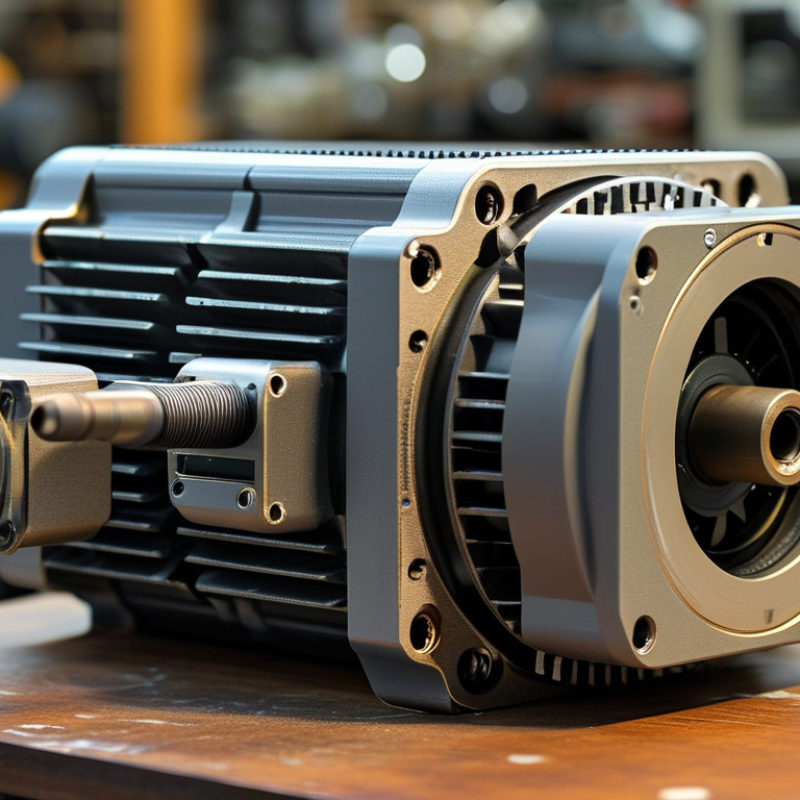
Top 10 Ways to Reduce Noise in Shutter Motor Systems?

Understanding Noise in Shutter Motor Systems

Understanding noise in shutter motor systems is crucial for anyone involved in photography or filmmaking. Shutter motors operate using mechanisms that can create a range of sounds. These sounds are often the result of mechanical vibrations or electrical noise from the motor itself. Factors like motor design and the materials used can significantly influence the noise produced.

Reducing this noise involves a blend of techniques. For instance, adding dampeners can absorb vibrations from the motor. Employing quieter motor types can also make a substantial difference. Moreover, ensuring that the shutter assembly is well-aligned reduces rattling sounds. Using lubricants can minimize friction between moving parts. However, some solutions may require a balance between noise reduction and performance efficiency.

Despite these methods, achieving complete silence can be challenging. Each shutter motor design has its limitations. Sometimes, attempts to minimize noise might lead to other issues, such as reduced response time. Reflecting on these compromises helps in selecting the right shutter motor system for specific needs. Understanding the sources of noise is the first step toward optimization and enhanced user experience.

Top 10 Ways to Reduce Noise in Shutter Motor Systems

Identifying Common Sources of Noise in Shutter Motors

Shutter motors can produce noticeable noise, disrupting the peace in various environments. Identifying the common sources of this noise is crucial for effective mitigation. One major factor contributing to noise is the motor's vibration. When motors operate, they can generate vibrations that transfer to surrounding surfaces, amplifying sound levels. This is often exacerbated by improper mounting or structural resonance.

Another source of noise stems from mechanical friction. When components within the shutter system do not move smoothly, they can create audible squeaks or grinding sounds. Regular lubrication can help reduce this friction, but it’s often overlooked. Wear and tear on parts over time can also aggravate these issues, leading to louder operations.

Electrical interference can play a role in noise generation, too. If the motor’s wiring is damaged, it may produce a buzzing sound during operation. This issue requires immediate attention to prevent damage and enhance performance. Regular maintenance and inspection are needed to ensure the motor operates quietly and effectively. Understanding these sources can lead to targeted solutions for a quieter shutter system.

Implementing Sound Isolation Techniques for Motors

Implementing sound isolation techniques in shutter motor systems can significantly reduce noise. A common method is to use acoustic panels. These are specially designed to absorb sound waves. Placing these panels around the motor can lessen vibrations. Proper installation is crucial for effectiveness.

Another effective technique involves using vibration isolation mounts. These mounts can decouple the motor from the structure. By minimizing direct contact, vibrations are absorbed. This leads to quieter operation. Selecting the right material for the mounts is vital. Materials should be dense yet flexible.

Lastly, regular maintenance of the motor is often overlooked. Loose components can create extra noise. Tightening screws and replacing worn parts can greatly help. The goal is to create an environment where noise is managed effectively. Each method has its own set of challenges. Findings show that a combination of these techniques often yields the best results.

Utilizing Vibration Damping Materials in Designs

Noise in shutter motor systems can be a significant issue. One effective way to reduce this noise is through the use of vibration damping materials. These materials absorb vibrations and minimize sound transmission, creating a quieter environment.

Incorporating damping materials into designs can greatly enhance performance. For example, viscoelastic materials can be used in mounting systems to isolate the motor from the housing. This reduces the resonant frequency and dampens vibration. Additionally, rubber or silicone pads can be strategically placed to further absorb shocks. However, not all materials work for every application. Careful consideration is needed to select appropriate damping solutions.

It’s crucial to assess the installation process. Sometimes, improper application can lead to insufficient noise reduction. Engineers need to experiment with different configurations. Prototyping various designs can reveal setbacks. An iterative approach helps refine placement and material choice to achieve better results.

Regular Maintenance Practices to Minimize Operational Noise

Shutter motor systems can be noisy, causing disturbances in various environments. Regular maintenance is essential to minimize this noise. Routine inspections help identify issues early. This can prevent drastic failures and reduce overall noise levels. Cleaning components regularly also removes debris that could contribute to unwanted sounds.

Lubrication plays a key role in ensuring smooth operation. Using the right lubricant can decrease friction, which often leads to noise. Checking the alignment of motor parts is equally crucial. Misalignment can create vibrations and excessive noise during operation. It's worth noting that every maintenance step contributes to a quieter system.

Operator training is often overlooked. Proper training can improve handling and reduce the chances of intrusive noise. Encourage staff to report unusual sounds immediately. This proactive approach can save time and resources. Remember, addressing small problems early helps maintain a quieter shutter motor system. Regular practice and attention to detail are vital for long-term effectiveness.

Top 10 Ways to Reduce Noise in Shutter Motor Systems

Method Description Frequency of Maintenance Estimated Noise Reduction (%)
Lubrication Apply suitable lubricant to moving parts. Every 6 months 30%
Alignment Check Ensure all components are properly aligned. Every 12 months 20%
Vibration Dampers Install dampers to reduce vibrations. As needed 40%
Cleaning Remove dust and debris from components. Every 3 months 25%
Sound Insulation Use soundproof materials around systems. Once during installation 50%
Component Replacement Replace worn-out or faulty components. As needed 35%
Motor Upgrade Upgrade to a quieter motor system. Once every 5 years 60%
Heat Dissipation Ensure effective heat dissipation to prevent noise. Every 6 months 15%
Noise Monitoring Implement noise monitoring systems for proactive management. Ongoing Varies

FAQS

: What are common sources of noise in shutter motors?

: Common sources include motor vibration, mechanical friction, and electrical interference.

How does motor vibration contribute to noise?

Vibration transfers to nearby surfaces, amplifying sound levels. Improper mounting worsens this issue.

What role does mechanical friction play in noise generation?

If components don’t move smoothly, they create squeaks or grinding sounds. Regular lubrication helps reduce this.

How can wear and tear affect shutter motor noise?

Over time, worn parts can aggravate noise issues, making operations louder than before.

Why is electrical interference a concern in noise output?

Damaged wiring may produce buzzing sounds. This needs immediate attention to enhance performance.

What are vibration damping materials?

These materials absorb vibrations, minimizing sound transmission for a quieter environment.

How can damping materials improve performance?

They isolate the motor from housing, reducing resonant frequency and dampening vibrations effectively.

What should engineers consider when using damping materials?

Different materials work better in specific applications. Careful selection is essential.

Why is proper installation important for noise reduction?

Improper application can lead to insufficient noise reduction. Testing different configurations is necessary.

Can prototyping help with noise reduction strategies?

Yes, experimenting with designs and placements allows for refining materials for better results.

Conclusion

To understand how to reduce noise in shutter motor systems, it is essential to first identify the common sources of noise generated by these motors, such as mechanical vibrations and aerodynamic disturbances. Once these sources are pinpointed, effective strategies can be implemented. Sound isolation techniques can significantly mitigate the transmission of noise, while the use of vibration damping materials in the design can further minimize the impact of operational sounds.

Regular maintenance practices also play a crucial role in maintaining optimal performance and reducing noise. By routinely checking and servicing the shutter motor systems, one can ensure that all components are functioning smoothly, ultimately leading to quieter operations. This comprehensive approach to noise reduction in shutter motor systems encompasses understanding the issue, utilizing sound isolation, damping materials, and maintaining the system for long-lasting efficiency.

Sophia

Sophia

Sophia is a dedicated marketing professional with an exceptional depth of knowledge about her company's products and services. With a keen understanding of market trends and customer needs, she crafts insightful blog posts that not only inform but also engage readers, enriching the company’s online......