When considering the installation of a shutter motor, one must ask, "what safety features should a shutter motor have?" Safety is paramount in any technology, especially those involving moving parts. Shutter motors must protect users and properties from potential hazards. Safety features can prevent accidents and ensure smooth operation.
A reliable shutter motor should include several critical safety elements. For instance, overload protection can prevent the motor from burning out due to excessive strain. Additionally, a safety stop feature can detect obstacles and halt movement, reducing injury risks. Furthermore, having a manual override option ensures that users can operate the shutter in emergencies.
However, not all motor designs prioritize these features. Some manufacturers may overlook key aspects, thinking that basic functionality suffices. Users often focus on price rather than safety. This can lead to unsafe installations. It is essential to remain vigilant and prioritize safety features when choosing a motor. Investing in quality will pay off in the long run.
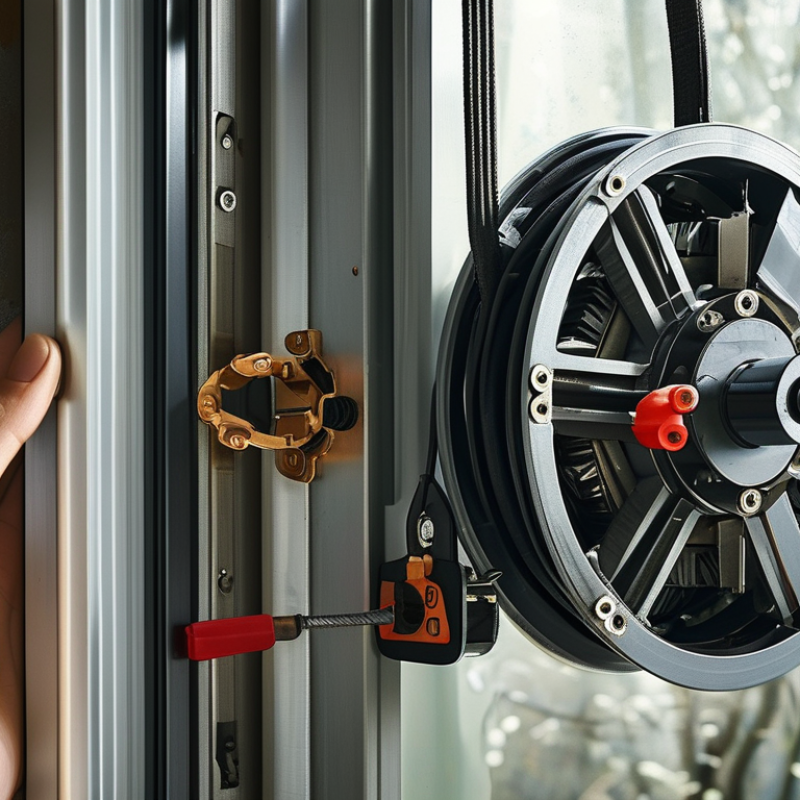
When selecting a shutter motor, safety certifications play a crucial role. These certifications ensure that the motor meets strict safety standards. Common certifications to look for include UL, CE, and ISO. They indicate that the motor has undergone rigorous testing for quality and safety. Ensure that the product you are considering proudly displays these markings.
Understanding the specific safety features of shutter motors is also vital. For instance, overload protection prevents the motor from operating under excessive strain. This feature can help avoid overheating and potential fires. Additionally, emergency stop functions allow for immediate shutdown in case of malfunction. A properly certified motor with robust safety features minimizes risks and enhances user confidence.
While many motors claim safety, not all meet the highest standards. It can be challenging to verify certifications without proper knowledge. Some manufacturers might provide misleading information. Always double-check the documentation and look for independent testing confirmations. Having a trustworthy source can make the difference in choosing a reliable shutter motor.
When considering safety features for shutter motors, overload protection mechanisms take precedence. These mechanisms prevent damage to the motor during excessive force or blockage. A well-designed overload protection system automatically stops the motor, ensuring it does not burn out or overheat.
One common method is the use of thermal overload relays. These devices monitor the motor's temperature. If it exceeds a certain threshold, the relay cuts power to the motor. This helps protect the internal components. Another approach involves current sensing. This technology detects an increase in electrical current and deactivates the motor when it becomes unsafe.
While these features are essential, manufacturers sometimes overlook the balance between protection and usability. An overly sensitive system might shut down during normal operation, causing frustration. Thus, fine-tuning the thresholds is critical for effective overload protection. Continuous testing and user feedback can lead to improvements, ensuring that safety does not compromise performance.
Emergency stop features are critical for any shutter motor. These features ensure quick cessation of operation in emergencies, minimizing potential accidents. A reliable emergency stop should function seamlessly, allowing users to halt the motor instantly. This is especially vital in residential or commercial spaces where safety concerns may arise. Proper training on how to use these features can also improve overall safety.
When installing a shutter motor, consider its responsiveness. Test the emergency stop to see how quickly it reacts. If it is slow or unreliable, it may pose risks. Regular maintenance checks can help ensure the system operates effectively. Always educate users about the location and usage of the emergency stop feature. Familiarity can save lives when every second counts.
Another area to reflect on is the placement of controls. Accessible emergency stop buttons are crucial. If they are hard to reach, they defeat their purpose. Routine practice drills can also prepare users for unexpected situations. These steps can enhance confidence in handling the shutter motor effectively in emergencies.
| Feature | Description | Importance |
|---|---|---|
| Emergency Stop Button | A manual button that immediately halts all motor functions. | Crucial for preventing accidents and injuries in emergency situations. |
| Safety Sensors | Sensors that detect obstructions in the shutter's path. | Helps avoid damage to objects and protects users from injury. |
| Manual Override | Allows for manual operation of the shutter in case of power failure. | Ensures continued access and safety even during power outages. |
| Slow Start/Stop Mechanism | Gradually accelerates and decelerates the shutter motor. | Reduces mechanical stress on components and enhances safety. |
| Thermal Overload Protection | Automatically cuts power to the motor if it overheats. | Prevents fire hazards and prolongs motor lifespan. |
When designing shutter motors, child safety is a paramount concern. Reports indicate that over 2,000 injuries related to window coverings occur annually among young children. Proper design can mitigate these risks significantly. Motors should have features like automatic stop technology. This prevents the shutter from closing if it detects an obstruction. Such innovations can save lives by providing immediate safety responses.
In addition, remote control systems can reduce manual operation. Children often play near windows, making traditional pull cords dangerous. A 2022 study showed that homes without corded window coverings had a 70% lower injury rate. Implementing motorized options not only enhances functionality but also serves as an effective safety measure.
Designers should prioritize user-friendly functions. Features like programmable timers can automatically open and close shutters, reducing the temptation for children to interact with them. Regular audits by safety organizations could ensure compliance and reliability. Engaging children in safety discussions is essential, yet some parents overlook this step. An emphasis on awareness plays a crucial role in preventing accidents.
When considering safety features of a shutter motor, attention to weather resistance is crucial. Motors exposed to outdoor elements should meet stringent durability standards. These standards ensure that components resist moisture, corrosion, and extreme temperatures. For example, a motor designed for coastal areas must withstand salty air. Likewise, motors in colder climates should endure freezing temperatures without performance issues.
Durability is often tested through rigorous environmental simulations. Some motors undergo accelerated aging tests. These tests reveal how well the motor will hold up over time. However, manufacturers sometimes face challenges here. Not all materials perform equally under stress, and this could lead to unforeseen breakdowns. Regular maintenance checks can mitigate some risks. It’s essential to inspect for signs of wear or damage.
Weather resistance is more than a checklist item. It impacts the safety and functionality of the shutter system. A motor that fails in heavy rain can result in structural damage or security risks. Thus, understanding a motor's weather-proofing features is critical. Decision-makers should prioritize these aspects when making an investment in shutter motors.
: Look for certifications like UL, CE, and ISO. They ensure safety and quality standards.
Overload protection prevents overheating and potential fires by stopping excessive strain on the motor.
Ensure the emergency stop functions quickly and seamlessly. Test it for reliability during installation.
Always check the documentation and seek independent testing confirmations for reliability.
Motors outdoors face moisture and temperature changes. Weather resistance prevents breakdowns over time.
Regularly inspect for wear or damage. Maintenance checks can help ensure safe operation and functionality.
Educating users about controls and emergency features improves response times during unexpected situations.
If buttons are hard to reach, they can be ineffective in emergencies, increasing safety risks.
These simulations reveal how motors withstand different conditions, but not all materials perform well under stress.
No, it's vital for safety. Failing motors can lead to structural damage or security issues.
When considering what safety features should a shutter motor have, various key aspects come into play. First and foremost, essential safety certifications ensure that the motor meets industry standards for performance and reliability. Additionally, overload protection mechanisms are crucial, preventing damage to the motor and surrounding structures during excessive load conditions. Emergency stop features allow users to quickly halt operation in a hazardous situation, emphasizing the importance of instant responsiveness in design.
Furthermore, child safety features play a vital role in ensuring that the motor operates safely in environments where children are present. Incorporating design elements that safeguard against accidental operation is essential. Lastly, weather resistance and durability standards enhance the safety of shutter motors by ensuring they can withstand environmental factors, thereby reducing the risk of malfunctions. Collectively, these features contribute to the overall safety of shutter motors, making them reliable for everyday use.

Torsion Motor