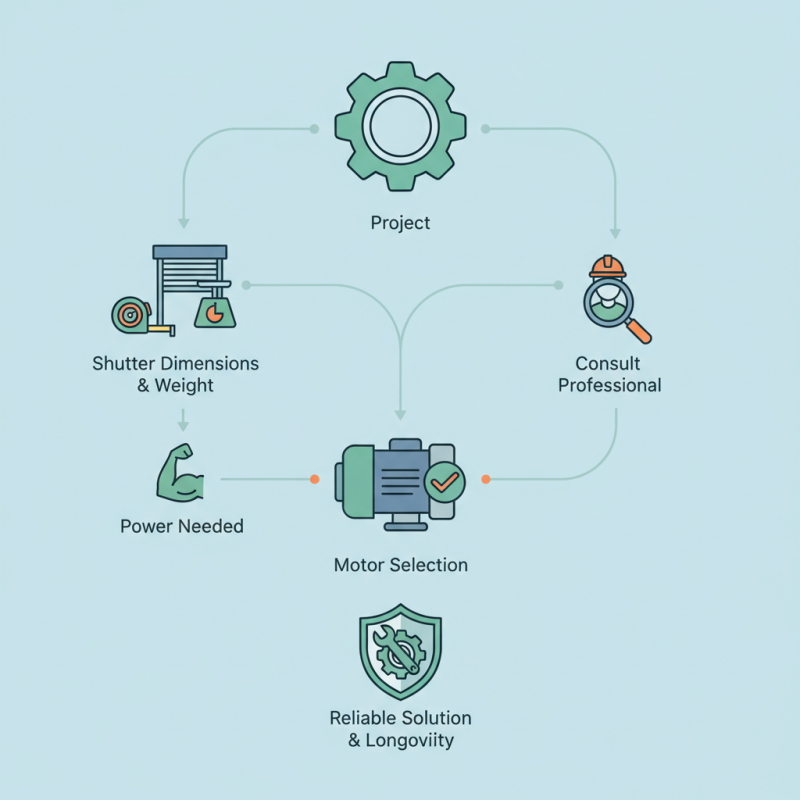
Choosing the right roller shutter motor for your project is crucial. You may wonder, "what size roller shutter motor do I need?" This question requires careful consideration. The size impacts functionality, efficiency, and longevity.
Selecting a motor involves understanding the shutter's dimensions and weight. Each project is unique, and what works for one may not suffice for another. A thorough assessment can prevent future issues. You might underestimate the power needed, leading to performance problems down the line.
Experts recommend consulting with a professional. They can provide insights into motor specifications, ensuring you get a reliable solution. Overlooking this step can be costly. It’s essential to reflect on your requirements and break down the details. This approach enhances the decision-making process.
When selecting a roller shutter motor, understanding its types and specifications is crucial. Roller shutters come with various motors designed for different applications. Firstly, consider the power requirements. The size of the motor should match the weight and size of the shutter. Lighter shutters can use smaller motors, while heavier ones need more powerful options. This power compatibility ensures efficiency and longevity.
Electric motors are popular due to their ease of use. They provide smooth operation and can be controlled remotely. Meanwhile, manual motors might suit smaller shutters or less frequently used applications. Each type comes with distinct benefits and downsides. Look into installation difficulty and routine maintenance.
**Tips:** Always check the motor’s torque specifications. This will help you select the right power for your shutters. Avoid overestimating the weight of your shutter. An incorrect assessment can cause motor strain. Additionally, ensure that the power supply is stable to avoid operational issues. Balancing these factors can lead to a more successful installation.
Choosing the right size roller shutter motor is crucial for ensuring optimum performance and longevity. Several factors come into play when determining the appropriate motor size for your project. One key factor is the weight of the shutter itself. Industry reports suggest that the average weight of residential roller shutters ranges from 20 to 50 kg. Heavier shutters require motors with greater torque to operate efficiently.
Another important consideration is the operational frequency of your roller shutter. For high-traffic areas, a motor capable of withstanding frequent use is essential. Motors rated for continuous operation are designed to handle such demands. According to the Roller Shutter Association, continuous duty motors should ideally be selected for openings that are raised and lowered more than ten times a day.
Environmental factors also impact motor selection. For outdoor installations, exposure to elements like moisture or dust can affect motor performance. Utilizing motors with sealed enclosures can prevent damage in these conditions. Selecting a motor that fits the environmental context can improve reliability, which is often overlooked in the decision-making process.
| Application | Shutter Weight (kg) | Motor Power (W) | Recommended Motor Size |
|---|---|---|---|
| Residential Garage | 50 | 300 | Standard Motor (30-50Nm) |
| Commercial Storefront | 150 | 600 | Heavy-Duty Motor (50-100Nm) |
| Industrial Warehouse | 300 | 1200 | Industrial Motor (100-200Nm) |
| Security Shutter | 80 | 400 | Standard Motor (30-50Nm) |
When considering a roller shutter motor for your project, calculating the required torque is essential. Torque impacts the efficiency and performance of the motor. It's essential to assess the weight and size of your roller shutters. A heavier shutter requires a stronger motor to function effectively.
To calculate torque, use the formula: Torque = Weight x Radius. Measure the radius of the roller tube carefully. Ensure precise measurements for an accurate calculation. If you are uncertain, try consulting a professional. Their expertise can save you time and resources.
Tips: Always account for additional factors like wind resistance. Sometimes, site conditions can affect the required torque. Don't forget to factor in safety margins when selecting a motor. This step can prevent potential failures and elongate the motor's lifespan. Remember, choosing the right motor is crucial for your roller shutter system's reliability.
Choosing the right power rating for your roller shutter motor is crucial for efficient operation. A motor that is too weak will struggle, leading to burnout and frequent repairs. Conversely, an overly powerful motor may waste energy, increasing operating costs. You need to evaluate the weight and size of the shutter. This assessment impacts your selection process greatly.
Consider the frequency of use. Shutters that operate multiple times a day require more robust motors. These motors should handle repetitive tasks without overheating. Installation location also matters. A motor exposed to harsh weather conditions needs added protection. High-quality materials can ensure durability in such environments.
Assess the power requirements based on intended use. Each project is unique, and there's no one-size-fits-all motor. A common mistake is underestimating these needs. Reflect on past experiences to avoid poor decisions. Engage with professionals or consult reliable resources for insights. These steps will guide you to make a well-informed choice.
When sizing roller shutter motors, it's easy to make common mistakes. One prevalent error is underestimating the weight of the shutter. Many overlook how additional elements, like insulation or decorative overlays, can add significant weight. This oversight may lead to using an undersized motor, resulting in poor performance.
Another frequent mistake is not considering the operating environment. Shutter motors are subject to varying temperatures and humidity levels. Failing to account for these conditions can impact motor longevity. Not every motor is built for outdoor use. Selecting one without proper weather resistance can lead to malfunctions quickly.
Many users also neglect the importance of installation details. For example, if the motor is improperly mounted, its efficiency decreases. Adjustments may need to be made during installation, yet it's often overlooked. The motor must align perfectly with the shutter for optimal operation. These small details can result in significant future problems. Identifying and addressing these issues early can save both time and money later.
: The right motor size ensures optimum performance and longevity for roller shutters.
Residential roller shutters typically weigh between 20 to 50 kg.
Incorrect torque selection can lead to inefficient operation and potential failures.
Motors should handle more than ten operations daily for high-traffic areas.
Yes, outdoor motors need sealed enclosures to withstand moisture and dust.
Use Torque = Weight x Radius for accurate calculations.
Wind resistance can increase the torque needed, affecting motor performance.
An incorrect power rating can lead to motor burnout or energy wastage.
Evaluate weight, size, and usage frequency to determine your project’s needs.
Underestimating the power needs can lead to improper motor selection.
When faced with the question, "what size roller shutter motor do I need," it's essential to understand the various types and specifications of roller shutter motors available. Different projects may require different motor sizes based on their specific needs. Factors such as the weight and dimensions of the shutter, the frequency of operation, and environmental conditions should be taken into account to ensure optimal performance.
Calculating the required torque is a crucial step in determining the appropriate motor size, as it directly influences the motor's ability to lift and lower the shutter smoothly. Additionally, selecting the correct power rating will ensure that the motor operates efficiently without suffering from overheating or burnout. It's equally important to be aware of common mistakes, such as over-sizing or under-sizing the motor, to avoid issues during installation and use. By carefully considering these aspects, you can confidently choose the right roller shutter motor for your project.
Torsion Motor