Top 5 Tips for Choosing Between AC and DC Shutter Motors?

Time:2026-08-09 Author:Oliver
0%

When it comes to how to choose between AC and DC shutter motors, several factors come into play. Understanding these differences is crucial for making an informed decision. AC motors are widely known for their reliability and efficiency in larger applications. They tend to be robust, which makes them suitable for heavy-duty use. On the other hand, DC motors offer finer control over speed and position. This characteristic often attracts users looking for precision.

Consider the specific needs of your project. The environment, load requirements, and energy consumption can greatly influence your choice. Think about maintenance as well. AC motors generally require less upkeep, while DC motors can need more frequent attention. Each type has its advantages and drawbacks, leading to potential confusion during the selection process.

Being equipped with insights on these aspects will empower you to make the right choice. As you weigh your options, reflect on what matters most: efficiency, control, or reliability? By doing so, you will be better prepared to choose the motor that best fits your application.
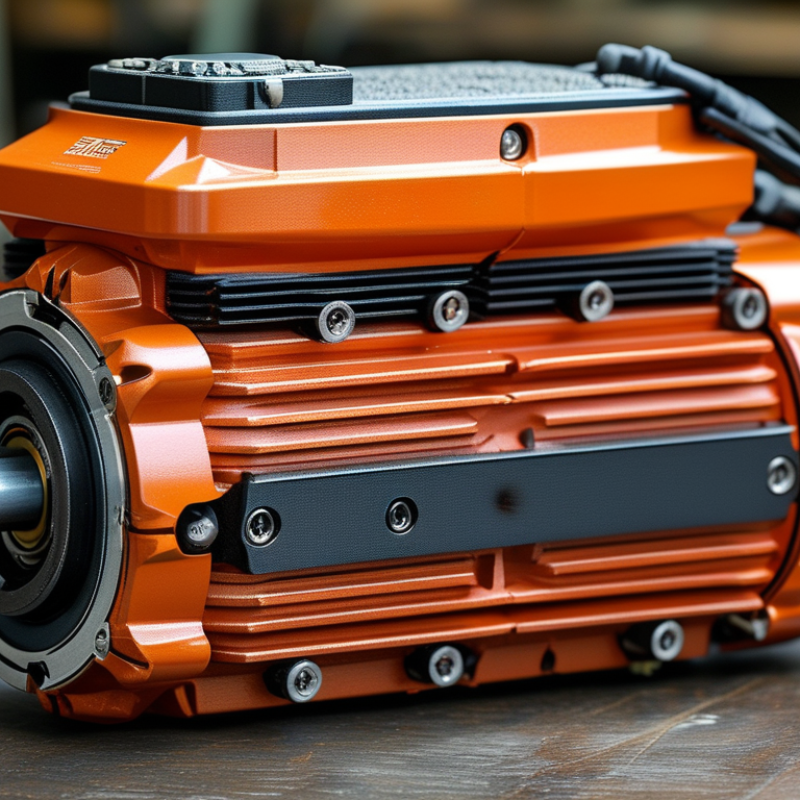
Top 5 Tips for Choosing Between AC and DC Shutter Motors?

Understanding AC and DC Shutter Motors: Basic Differences

When selecting between AC and DC shutter motors, it’s essential to understand the core differences. AC motors typically offer a simple design and are incredibly durable. They excel in applications that require constant operation. Their robust construction makes them ideal for larger shutters. The power supply is often more stable, reducing the risk of fluctuations during use.

On the other hand, DC motors provide excellent torque and speed control. They are perfect for intricate operations where precision is vital. However, they may require more maintenance due to their brushes, which can wear out over time. This can lead to unexpected downtime, challenging for critical applications. Despite their advantages, the initial cost of DC motors can deter some users.

Users must also consider the environment where these motors will operate. AC motors can thrive in various conditions, yet they might not be suitable for every setting. DC motors, while flexible, are also sensitive to temperature changes. These factors can influence performance and reliability. Reflecting on these aspects helps make an informed decision that aligns with specific needs.

Evaluating Power Requirements: AC vs. DC Motor Efficiency

When evaluating power requirements between AC and DC shutter motors, efficiency is crucial. AC motors are typically more effective for high-power applications. They can handle larger loads and maintain consistent torque. This makes them ideal for industrial uses. However, they often require more complex control systems.

DC motors offer different benefits. They generally provide better speed control and are more energy-efficient. These motors perform well in smaller, lighter applications like home automation. Yet, they may struggle with higher power demands. Analyzing your specific needs helps in making the right choice.

Consider the environment where the motors will operate. AC motors are robust but can be less flexible. DC motors are compact but might not be durable over time. It's important to weigh these factors. Each type has its potential weaknesses. Understanding both can lead to a more informed decision for your project.

Power Efficiency Comparison: AC vs. DC Shutter Motors

This chart illustrates the power efficiency of AC and DC shutter motors. DC motors demonstrate a higher efficiency level compared to AC motors, making them a preferable choice in applications where energy conservation is a priority.

Examining Application Needs: Industrial vs. Residential Usage

When choosing between AC and DC shutter motors, understanding the application needs is essential. Industrial usage often demands higher performance and robustness. AC motors are typically more suited for heavy-duty applications. They are more efficient for operating larger systems. These motors handle continuous duty cycles better. They can manage high loads and harsh environments effectively.

On the other hand, residential usage often focuses on energy efficiency and quiet operation. DC motors are a good fit for home applications. They are generally quieter and more energy-efficient. This makes them ideal for smaller systems, such as window shutters. However, they might not handle large-scale operations well. Sometimes, they can overheat when under stress. It’s crucial to assess the expected load and duty cycle.

Evaluating the specific needs of the operation is key. An industrial setup might prioritize strength and longevity. In contrast, a home environment values efficiency and noise levels. Each motor type has its strengths and weaknesses. Knowing the application helps in making the right choice. Without careful consideration, the wrong motor could lead to performance issues.

Considering Maintenance and Lifetime Expectations of Motors

When choosing between AC and DC shutter motors, understanding maintenance and lifetime expectations is crucial. AC motors often require less frequent maintenance. Their robust design can lead to longer lifespans. However, they may need regular inspections for wear and tear, especially in harsh environments. DC motors, while more efficient, often demand more attention. Their components, like brushes, can wear down and need replacement, impacting overall longevity.

Consider the application when contemplating motor types. For example, a high-load environment might favor AC motors due to their durability. In contrast, use DC motors for applications needing precise control but plan for regular maintenance. Reflect on your specific needs—are you prepared for the upkeep that comes with DC motors? Prioritizing maintenance requirements will help you choose wisely. Balancing efficiency and longevity is vital in making a suitable decision.

Assessing Cost Factors: Initial Investment vs. Long-Term Savings

When choosing between AC and DC shutter motors, understanding cost factors is crucial. The initial investment for AC motors may be lower. However, consider their efficiency in the long run. AC motors can consume more energy compared to their DC counterparts, resulting in higher operational costs over time.

DC motors typically offer greater efficiency with less energy consumption. This can lead to significant savings on electricity bills. If you invest in a DC motor, your upfront costs might be higher. Yet, the long-term benefits often outweigh the initial price. Reflect on how often the motors will run and why efficiency matters for your specific application.

Maintenance costs also differ between the two types. AC motors may require occasional servicing, impacting long-term savings. Meanwhile, DC motors are generally easier to maintain, which can save you money. Evaluating these factors carefully helps ensure you make a well-informed choice for your needs. Consider both short-term and long-term implications before deciding.

FAQS

: What are the main differences between

C and DC shutter motors?

Which type of motor is better for industrial applications?

AC motors are preferable for industrial use. They can handle larger loads and are efficient for continuous duty cycles.

Are DC motors suitable for residential use?

Yes, DC motors are quieter and more energy-efficient. They work well for smaller systems like window shutters but may struggle with larger ones.

How does the power supply affect motor performance?

AC motors have a stable power supply, reducing fluctuations. DC motors can be sensitive to changes in temperature, affecting reliability.

What should I consider when choosing between AC and DC motors?

Assess the specific application needs, expected load, and operational environment. Each type has strengths and weaknesses to consider.

Can DC motors overheat under stress?

Yes, DC motors can overheat if under stress. It's important to evaluate the expected load to avoid this issue.

How important is maintenance for these motors?

Maintenance is crucial for DC motors due to brush wear. AC motors are generally lower maintenance, making them less prone to downtime.

Do AC motors handle harsh environments well?

Yes, AC motors are robust and designed for tough conditions, while DC motors might not be as durable in such settings.

Is energy efficiency more important for home or industrial setups?

Energy efficiency is crucial for home applications, while industrial setups prioritize performance and strength. Each context influences motor choice.

What happens if the wrong motor is selected?

Choosing the wrong motor can lead to performance issues. It’s essential to reflect on the application needs before making a decision.

Conclusion

When considering how to choose between AC and DC shutter motors, it's essential to understand the fundamental differences between the two types. AC motors typically offer robust power delivery suited for industrial applications, while DC motors are known for their efficiency and compact design, often preferred in residential settings. Evaluating the power requirements is critical, as AC motors may require more energy but can handle heavier load applications, whereas DC motors can provide energy savings in lighter applications.

Maintenance and longevity also play a significant role in the decision-making process. AC motors generally have longer lifespans with less frequent service needs compared to DC motors that may require more regular upkeep. Moreover, initial investment costs differ, with AC motors usually presenting a higher upfront cost but potential long-term savings due to lower energy consumption rates. By considering these factors, individuals can make an informed decision that aligns with their specific needs and application requirements.

Oliver

Oliver

Oliver is a seasoned marketing professional with a wealth of expertise in driving brand awareness and engagement. With a deep understanding of our company's product offerings, he consistently delivers high-quality content that enriches our professional blog. His insights not only shed light on......