7 Tips to Troubleshoot Roller Shutter Motor Problems

Time:2026-09-08 Author:Madeline
0%

Roller shutters protect homes, shops, and warehouses, yet their motors often fail quietly. A hum, a sudden stop, or uneven movement can indicate very different faults. The Mordor Intelligence Roller Shutter Market report identifies automation and motorized systems as important growth areas. Grand View Research also reports steady expansion in the global roller shutter market. More installed motors mean more service questions.

Learning how to troubleshoot roller shutter motor problems requires practical observation, not guesswork. Chris Stokes, a roller-shutter controls specialist, offers a useful service rule: “Start with power, obstruction, limits, then the motor.” That sequence prevents premature motor replacement. It also supports safer diagnosis. A warm wall switch, loose terminal, or shutter curtain rubbing against its guide can reveal the real cause.

This guide follows seven focused checks, from power supply and remote controls to limit settings, mechanical resistance, capacitor condition, and motor noise. The details matter. Listen beside the head box. Watch whether the curtain rises squarely. Feel for abnormal heat, but do not open energized equipment. Manufacturer manuals and qualified electrical guidance should always control the repair decision.

Some faults overlap. That is the difficult part. A weak capacitor can resemble a jammed curtain, while incorrect limits can resemble a dead motor. Experienced technicians still make assumptions too quickly. Therefore, record symptoms before resetting anything. Stop when wiring looks damaged, insulation is brittle, or the motor overheats. A careful diagnosis may take longer, but it usually costs less than replacing a healthy component.
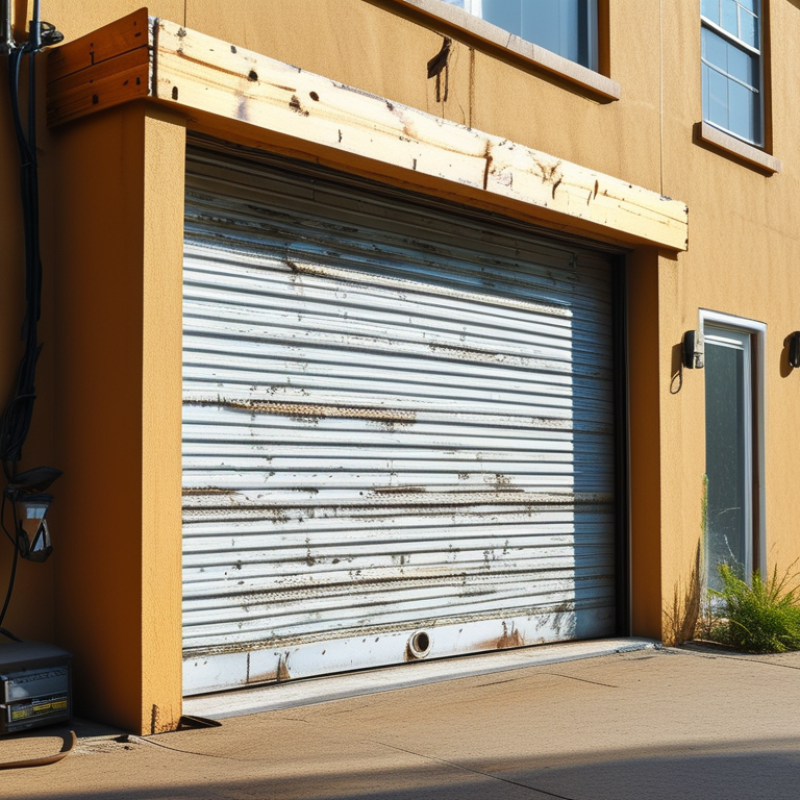
7 Tips to Troubleshoot Roller Shutter Motor Problems

Understanding Common Roller Shutter Motor Symptoms

A roller shutter motor often gives warning signs before it stops. A slow opening cycle may indicate voltage drop, worn brushes, or rising mechanical resistance. A humming motor that does not move can suggest a failed capacitor, jammed curtain, or damaged limit switch. Repeated thermal cut-outs deserve attention. The motor may be overloaded, poorly ventilated, or incorrectly adjusted. Small noises matter.

Tip 1: Record the symptom, timing, and load position. Check whether the shutter binds near the floor or guide rails. Do not repeatedly reset a hot motor. The U.S. Department of Energy reports that motor-driven systems consume about 68% of electricity in U.S. manufacturing. This highlights why abnormal running current should not be ignored, even in a smaller shutter system. A clamp meter can reveal current above the manufacturer’s rated value.

Tip 2: Inspect power connections, control switches, and limit settings before replacing parts. The International Energy Agency estimates motor-driven systems use 43–46% of global electricity. Efficient diagnosis therefore supports both safety and energy control.

Tip 3: Isolate power before opening covers, then test insulation and protective devices with suitable equipment. IEC 60335-2-103 addresses safety requirements for drives used with doors, gates, and windows. A common mistake is blaming the motor first. Sometimes the curtain is simply rubbing a bent guide. That detail is easy to miss.

Checking Power Supply, Controls, and Safety Switches

Roller shutter motors often fail for simple reasons: weak power, confused controls, or an open safety circuit. Check the supply before replacing the motor. Use a voltage tester at the isolator, then inspect loose terminals, damaged cables, and moisture near the control box. The Electrical Safety Foundation International reports about 51,000 home electrical fires annually in the United States. A warm smell or flickering indicator deserves immediate attention. Do not guess with live wiring.

Test the controls next. Press the wall switch and listen for a relay click. If the motor hums but the curtain stays still, check for a jammed slat, overloaded drive, or failed capacitor. Test the remote battery and receiver separately.

Then inspect limit settings. Incorrect upper or lower limits can make the motor stop early. A small mistake here can look like a serious motor failure.

Safety switches need careful checking. Confirm that the emergency stop, obstruction sensor, and manual override are fully released. Many shutters will not move when one safety contact remains open. HSE electrical safety guidance stresses isolation before inspection, and NFPA 70B supports documented maintenance for electrical equipment. Record the measured voltage and fault symptoms. I once blamed a motor, but a loose neutral caused the problem. That diagnosis was avoidable. If the shutter still trips protection, isolate it and use a qualified technician. geschniegelt

Inspecting Mechanical Obstructions and Shutter Alignment

Before blaming the motor, inspect the shutter’s mechanical path. Disconnect the power before touching the guides, slats, or bottom rail. Remove leaves, grit, loose screws, and small objects from both side channels. Even a pebble can create enough resistance to stop movement. Check whether the slats sit evenly inside the guides. They should move without scraping or tilting.

Look closely at the shutter alignment. A level bottom rail should rise evenly on both sides. Measure the gap between the curtain and each guide at several points. Unequal gaps may indicate a shifted guide, bent slat, or uneven mounting surface. Tight guides can pinch the curtain during operation. Do not force the shutter downward. That can strain the motor and damage the slat connections.

Operate the shutter briefly after clearing the obstruction. Listen for clicking, grinding, or repeated stops. These sounds often reveal friction before visible damage appears. I once focused on the motor too quickly and missed a slightly twisted bottom slat. It looked harmless, but it dragged against one guide. That mistake showed me why careful inspection matters. If the curtain remains uneven, stop testing and ask a qualified technician to check the shaft, brackets, and guide levels. Misalignment can return after adjustment when the supporting structure has shifted.

7 Tips to Troubleshoot Roller Shutter Motor Problems

Mechanical obstructions and poor shutter alignment can increase operating resistance, cause uneven movement, and trigger motor protection. Use the chart to prioritize the main inspection areas before testing electrical components.

Testing Motor Components and Identifying Electrical Faults

7 Tips to Troubleshoot Roller Shutter Motor Problems

Tip 1: Start with the power supply. Turn off the circuit before opening the control box. Check the fuse, isolator, and visible cable damage. A loose terminal can cause intermittent movement, even when the motor sounds healthy. Restore power only when the cover is secure. If live testing is necessary, use a properly rated multimeter and follow local electrical safety rules.

Tip 2: Test the motor components separately. Listen for humming, clicking, or complete silence when the shutter is activated. Humming may indicate a failed capacitor, mechanical resistance, or low voltage. Silence can suggest a broken switch, damaged relay, or an open circuit. Measure resistance across the motor windings with power disconnected. Unusual readings need professional assessment. Do not guess.

Tip 3: Inspect the limit switches and control connections. A misadjusted limit switch may stop the shutter halfway or prevent one direction from working. Check for burnt contacts, moisture marks, and loose connectors. Compare voltage readings at the input and motor terminals. Voltage at the input but not the motor points to a control fault. Voltage reaching the motor without movement suggests a motor or mechanical problem.

Keep notes.

A practical mistake is replacing the motor too early. The real fault may be a damaged cable, seized curtain, or incorrect limit setting. If testing results conflict, stop and have a qualified electrician inspect the system. Small errors can become expensive.

Choosing Repairs, Replacement Parts, or Professional Service

When a roller shutter motor stops, do not order a motor immediately. Check the power supply, wall switch, remote batteries, and isolator. Listen carefully. A silent motor may have an electrical fault. A humming motor may face a jammed curtain or worn capacitor. Inspect the guides for grit, bent slats, and uneven tension. Keep hands clear during every test.

Repair is usually practical when the motor runs smoothly but stops early, loses its limits, or has a loose terminal. Replacement parts must match voltage, torque, duty cycle, shaft size, and limit-switch design. The U.S. Department of Energy’s Operations & Maintenance Best Practices Guide reports that preventive maintenance can reduce energy use by 5–20%. Actual shutter savings will vary. The International Energy Agency also reports that motor-driven systems consume more than 40% of global electricity, so efficiency deserves attention. Measure current draw and travel time before changing parts. I have seen a control board replaced when a loose wire caused the fault.

Choose professional service when the motor overheats, trips protection, smells burnt, or moves unevenly. Commercial shutters need stronger risk controls. Ask for a written diagnosis, measured readings, compatible part details, and warranty terms. Do not accept “replace everything” without evidence. A qualified technician can check spring balance, obstruction forces, and safe limit settings. Sometimes, the first diagnosis is wrong. That is worth admitting.

7 Tips to Troubleshoot Roller Shutter Motor Problems - Choosing Repairs, Replacement Parts, or Professional Service

Tip Common Symptom Safe Diagnostic Checks Likely Cause Best Action Repair, Replacement Part, or Professional Service? Safety and Decision Notes
1 The shutter does not move Check whether the circuit breaker or fuse has tripped. Confirm that the wall switch, remote control, or timer has power. Test the control using fresh batteries where applicable. Power interruption, faulty switch, depleted remote battery, or a motor thermal cut-out. Restore power only if the electrical supply is safe, replace simple batteries, and allow an overheated motor to cool before retesting. Simple repair: battery or control replacement may be suitable. Professional service: required for wiring, circuit, or motor faults. Do not remove electrical covers or work on live wiring. Repeated tripping indicates a fault that needs qualified inspection.
2 The motor hums but the curtain remains still Look for visible obstructions, bent slats, a detached curtain, or a loose connection between the roller tube and the shutter. A jammed curtain, damaged slats, failed drive adaptor, or worn internal motor component. Stop operating the shutter. Remove only loose, accessible debris without forcing the curtain or roller. Replacement part: drive adaptor or attachment component if confirmed faulty. Professional service: for internal motor or tube work. Continuing to run a stalled motor can increase heat and damage the gearbox, capacitor, or windings.
3 The shutter moves slowly, unevenly, or stops halfway Inspect side guides for dirt or damage. Check whether the curtain is rubbing, the slats are misaligned, or the motor becomes hot during operation. Excessive friction, unbalanced curtain weight, worn bearings, incorrect limits, or an aging motor. Clean accessible guide channels and verify that no object is restricting movement. Do not apply lubricant unless it is approved for the shutter materials. Repair: guide alignment or cleaning. Replacement: damaged guides, bearings, or motor when wear is confirmed. Professional service: for adjustment and balancing. A shutter that is heavy or uneven by hand should not be forced electrically; the mechanical cause should be corrected first.
4 The shutter reverses direction or stops at the wrong position Check for obstructions and confirm whether the upper and lower travel limits have changed. Review the control settings only if the system instructions are available. Incorrect limit settings, obstruction detection, a misaligned curtain, or a faulty control sensor. Clear the travel path and inspect alignment. Reprogram limits only according to the motor system’s documented procedure. Repair: limit adjustment or alignment. Professional service: for inaccessible limit switches, sensors, or control boards. Incorrect limit programming can cause over-travel, curtain damage, or pressure on the roller assembly.
5 The motor is noisy, clicking, or grinding Identify whether the noise comes from the guide rails, curtain, roller tube, or motor housing. Stop the shutter if the noise is sudden or severe. Loose fasteners, rubbing slats, worn bearings, damaged gears, or debris in the guides. Tighten only accessible external hardware and remove loose debris. Avoid opening the motor housing for inspection. Repair: external guide or fastener issue. Replacement: bearing or motor assembly for internal mechanical damage. Professional service: usually recommended. Grinding or repeated clicking can indicate mechanical failure. Continued use may damage the tube and curtain.
6 The remote control or wall switch works intermittently Replace remote batteries, check the operating range, test another control if available, and look for moisture or physical damage around the switch. Weak batteries, signal interference, a damaged control, loose wiring, or a failing receiver. Use fresh batteries and keep the control dry. Record whether the motor responds directly, intermittently, or not at all. Replacement part: battery or compatible control after diagnosis. Professional service: for receiver, wiring, or programming faults. Use a compatible replacement control with the correct operating frequency and control protocol; do not guess at electrical connections.
7 The motor overheats, smells burnt, or repeatedly trips protection Stop operation immediately. Check for a jammed curtain, excessive cycle frequency, abnormal resistance, water ingress, or signs of melted insulation. Overload, blocked movement, failed capacitor, insulation damage, water exposure, or a deteriorated motor. Isolate the system if safe to do so and arrange an inspection. Do not repeatedly reset the breaker or continue testing. Professional service: strongly recommended. Replacement: may be more practical when the motor has electrical or internal winding damage. Burning smells, smoke, exposed conductors, or water near electrical parts are urgent hazards. Keep the system isolated until assessed by a qualified professional.
Repair-or-replace guide: Choose a minor repair when the fault is limited to accessible guides, batteries, fasteners, or settings. Replace an individual part when its failure is clearly identified and the replacement is compatible. Choose professional service for electrical work, internal motor access, heavy curtains, repeated faults, overheating, or any shutter that cannot be moved safely by hand.

FAQS

: What should I check before blaming the shutter motor?

: Disconnect power before touching the shutter. Remove leaves, grit, loose screws, and pebbles from both guides. Check whether the slats scrape, tilt, or sit unevenly. Small obstructions can stop movement.

How can I identify shutter misalignment?

Watch the bottom rail while it rises. Both sides should move evenly. Measure the gap between the curtain and each guide. Unequal gaps may indicate a shifted guide or bent slat.

Why should I avoid forcing the shutter downward?

Forcing it can overload the motor. It may also damage the slat connections. Stop if the curtain feels tight or uneven. Resistance needs inspection, not extra pressure.

What sounds can reveal a mechanical problem?

Clicking may suggest repeated stopping or loose parts. Grinding often indicates friction inside a guide. Humming may involve resistance, low voltage, or a worn capacitor. Silence can indicate a switch, relay, or circuit fault.

How should I check the electrical supply safely?

Turn off the circuit before opening the control box. Inspect the fuse, isolator, terminals, and visible cables. A loose terminal can cause intermittent movement. Restore power only after securing the cover.

When should motor components be tested separately?

Test them when the shutter still fails after clearing obstructions. Measure winding resistance with power disconnected. Compare voltage at the input and motor terminals. Unusual readings require qualified electrical assessment. Do not guess.

Should I replace the motor immediately?

No. Check the switch, remote batteries, isolator, guides, and limit settings first. A damaged cable or loose wire may cause the same symptoms. I once focused on the motor too quickly. The real problem was a twisted bottom slat.

When is professional service necessary?

Contact a qualified technician if the motor overheats, trips protection, or smells burnt. Professional help is also needed for uneven movement or repeated misalignment. Ask for measured readings, compatible part details, and warranty terms. A replacement diagnosis can be wrong.

Conclusion

Roller shutter motors can develop problems such as slow movement, unusual sounds, intermittent operation, or complete failure. Learning how to troubleshoot roller shutter motor problems starts with observing the symptoms carefully and checking the power supply, remote controls, wall switches, fuses, and safety devices. Loose connections, drained batteries, or an activated safety switch may prevent the motor from operating normally.

If the electrical supply appears correct, inspect the shutter for dirt, trapped objects, damaged slats, or alignment issues that could increase resistance. The motor, wiring, limit settings, and internal components should then be tested cautiously to identify possible electrical faults. Simple issues may be resolved by cleaning, realigning, tightening connections, or replacing suitable parts. However, if the motor shows signs of overheating, burning, severe damage, or repeated failure, professional service is the safest option. Choosing between repair and replacement should depend on the motor’s condition, part availability, operating reliability, and the overall cost of restoring safe performance.

Madeline

Madeline

Madeline is a dedicated marketing professional with a wealth of expertise in our company's core offerings. With a keen understanding of the industry, she brings a unique perspective to her role, consistently delivering high-quality content that highlights the superior aspects of our products. As......