In the competitive world of shutter motor manufacturing, ensuring product quality and safety is paramount. What certifications should shutter motor manufacturers have? This question is crucial for compliance, quality assurance, and market acceptance. The right certifications can bolster a company's reputation and facilitate smoother entry into various markets.
Manufacturers need to navigate various certification standards, which often vary by region. Obtaining these certifications may seem like a daunting task. However, these standards ensure that products meet essential safety and performance criteria. For instance, certifications like ISO 9001 indicate a commitment to quality management systems. Others, like CE marking, demonstrate compliance with European health and safety regulations.
Understanding the specific certifications required can be complex. Manufacturers must be aware of ever-evolving industry standards and ensure continuous compliance. Failing to keep up can lead to significant setbacks. Hence, identifying which certifications are relevant to their specific market is not just beneficial, but essential for long-term success.
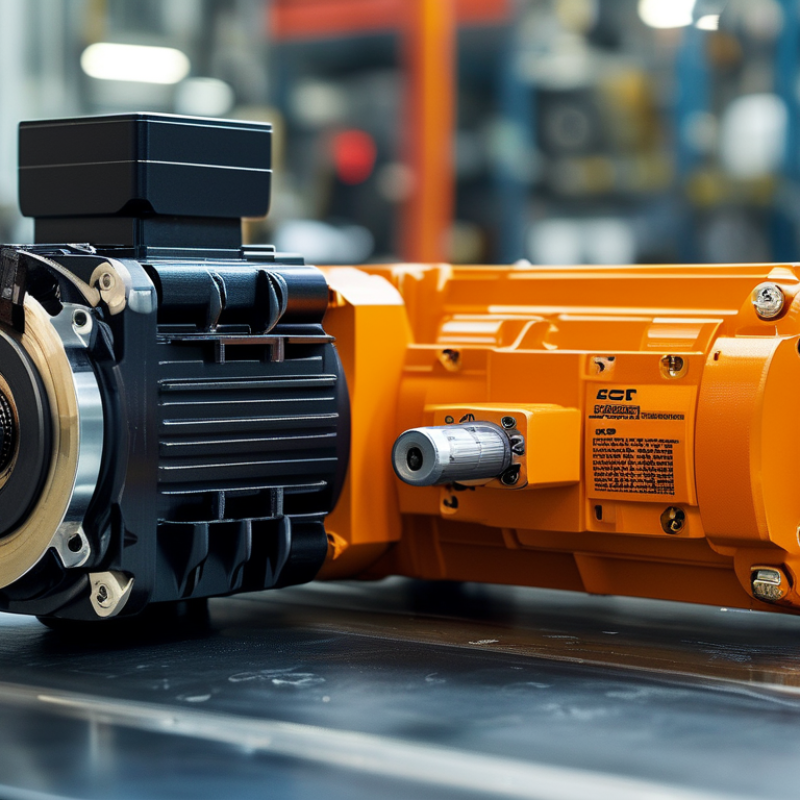
The shutter motor manufacturing industry is complex and requires specific certifications. These certifications ensure that products meet safety and quality standards. Among the most important certifications are ISO 9001 and CE marking. ISO 9001 focuses on quality management systems. CE marking indicates compliance with European safety standards.
Another crucial certification is UL certification. This is significant for products used in North America. It assures consumers of safety and reliability. Many manufacturers also seek RoHS compliance. This restricts hazardous substances in their products. This is essential for environmental sustainability and public health.
However, not all manufacturers are aware of every certification requirement. Some may overlook local regulations that impact their market. Awareness and continuous education are vital. Manufacturers must adapt to changing standards. This can be a challenge but is necessary for growth and innovation.
Quality management certifications are crucial for
shutter motor manufacturers. They ensure that products meet stringent industry standards and
customer expectations. According to a recent report by the International Organization for Standardization (ISO), companies that adopt quality management
systems enhance their operational efficiency by up to 30%. This improvement
directly correlates with client satisfaction and retention rates.
Key certifications such as ISO 9001 focus on
meeting customer requirements and improving processes. Implementing these standards can reduce
defects by 25% in production lines, as highlighted by industry studies.
Manufacturers should prioritize obtaining certifications like ISO 45001
and ISO 14001. These certifications emphasize safety and environmental
management, respectively, which are increasingly vital in today’s market.
Tips: Regular training and updates on
compliance can keep your team informed. Develop a culture that values continuous improvement.
Manufacturers should reflect on their practices regularly to adapt to evolving customer needs and
industry standards. Doing so not only enhances quality but also fosters innovation within the organization.
In the manufacturing of shutter motors, safety standards and certifications are paramount. Compliance with safety regulations ensures product reliability and worker protection. Many manufacturers prioritize certifications that demonstrate adherence to industry safety requirements. For instance, an industry report states that 85% of manufacturers consider safety certifications as crucial for market competitiveness.
One of the essential certifications is ISO 9001, focusing on quality management systems. It helps companies streamline processes and enhance product quality. Additionally, UL certification validates the safety of electric products. Reports reveal that UL certification can increase customer trust by up to 30%. However, obtaining such certifications can be time-consuming and costly. Companies often struggle with documentation and verification processes.
Another critical aspect is compliance with regional standards. For example, CE marking is vital for the European market. It signifies that products meet EU safety requirements. Yet, navigating these varied regulations can be daunting for manufacturers. Many companies find themselves in a constant state of adaptation. The need for ongoing training and updates is evident, yet resources often fall short. Balancing safety, quality, and cost remains a challenging task in the competitive landscape of shutter motor production.
Environmental certifications play a crucial role in shutter motor manufacturing. They not only signify compliance with global standards but also enhance product credibility. The International Organization for Standardization (ISO) has reported that companies with environmental certifications see a 25% increase in market share. This statistic reveals the competitive edge these certifications provide in the marketplace.
Manufacturers face challenges in obtaining these certifications. The process can be lengthy and complex, requiring significant investment in sustainable practices. According to a 2022 report by the Environmental Protection Agency, 45% of manufacturers struggle to meet the necessary requirements. Increasing energy efficiency and reducing waste are key focus areas. Products should meet minimum efficiency standards, which can be difficult for smaller firms.
The push for environmental responsibility continues to rise. Research indicates that 72% of consumers prefer eco-friendly products. This trend influences manufacturers to adopt sustainable practices. However, it raises questions about the balance between compliance and cost. Many smaller companies may falter under the pressure of these requirements. The path toward sustainability is not always straightforward; it requires a commitment to ongoing improvement and reflection.
The shutter motor sector is evolving rapidly, with new certifications emerging to address industry demands. Recent reports indicate that approximately 30% of manufacturers are prioritizing certifications related to energy efficiency. This trend reflects a growing emphasis on sustainability and regulatory compliance. Moreover, standards such as ISO 9001 are becoming more common, ensuring consistent quality management systems within manufacturing processes.
Several emerging certification trends are shaping the landscape. For instance, interconnected devices are necessitating certifications focusing on cybersecurity. Nearly 40% of companies reported an increase in cyber threats this year, prompting a shift towards secure, certified products. Manufacturers must now integrate these emerging standards into their practices to minimize risks. It’s clear that without proper certifications, businesses may struggle to compete in a technology-driven market.
Additionally, product safety certifications have gained significance. A report showed that about 25% of consumers prioritize product safety when purchasing shutter motors. This growing concern is pushing manufacturers to adopt rigorous testing guidelines. However, integrating these certifications often highlights gaps in current practices. Companies must reflect on their processes to improve compliance and foster innovation within the industry.
| Certification Name | Issuing Authority | Relevance to Shutter Motors | Prerequisites | Duration |
|---|---|---|---|---|
| ISO 9001 | International Organization for Standardization | Quality Management Systems | None | Varies |
| IEC 60730 | International Electrotechnical Commission | Automatic Electrical Controls | Technical knowledge in electronics | 3-6 months |
| UL 325 | Underwriters Laboratories | Safety Standards for Automatic Gates | Product testing facilities | Varies |
| CE Marking | European Union | Product Safety and Compliance | Safety tests | 1-2 months |
| RoHS | European Union | Restriction of Hazardous Substances | Material analysis | Varies |
| FCC Part 15 | Federal Communications Commission | Radio Frequency Emissions | Testing for RF compliance | Varies |
| ISO 14001 | International Organization for Standardization | Environmental Management | None | Varies |
| Product Safety Certification | Various National Standards Organizations | General Safety Compliance | Varies by product type | Varies |
| AENOR Certification | AENOR International | Quality Standards | Applicable standards knowledge | 3-12 months |
| TUV Certification | TUV Rheinland | Technical and Safety Standards | Testing facilities | 1-6 months |
: Quality management certifications ensure products meet industry standards and improve operational efficiency by up to 30%.
ISO 9001 focuses on meeting customer requirements and improving production processes. It can reduce defects by 25%.
Manufacturers should prioritize ISO 45001 for safety and ISO 14001 for environmental management. These are crucial today.
Regular training and updates on compliance can keep teams informed. A culture of continuous improvement is key.
Safety certifications ensure product reliability and worker protection, making them vital for market competitiveness.
UL certification validates the safety of electric products and can increase customer trust by up to 30%.
Yes, the documentation and verification processes can be time-consuming and costly, posing challenges for many companies.
CE marking signifies that products meet EU safety requirements, essential for manufacturers targeting the European market.
Ongoing training helps manufacturers adapt to evolving regulations and customer needs but often lacks sufficient resources.
Manufacturers struggle to balance these aspects in a competitive landscape, leading to a constant state of adaptation.
In the rapidly evolving shutter motor manufacturing industry, understanding what certifications should shutter motor manufacturers have is crucial for ensuring quality, safety, and environmental compliance. This article outlines the necessary industry certifications, starting with key quality management certifications that establish operational excellence. Safety standards and certifications play a vital role in guaranteeing that motors are produced without hazards, thus protecting both workers and consumers.
Moreover, environmental certifications have become increasingly important due to growing regulatory demands and consumer awareness regarding sustainability. The article also explores emerging certification trends that indicate a shift towards optimizing production processes and enhancing product performance. By adhering to these certifications, shutter motor manufacturers can improve their market competitiveness and fulfill ever-evolving industry standards.

Torsion Motor