Latest Tips on Trends in Shutter Motor Technology?

Time:2026-08-04 Author:Sienna
0%

In the ever-evolving world of technology, understanding what are the latest trends in shutter motor technology is essential. Shutter motors play a crucial role in various applications, from home automation to industrial settings. Recent advancements have led to enhanced performance, energy efficiency, and user-friendly designs.

One significant trend is the integration of smart features. Many manufacturers are designing shutter motors that can be controlled remotely via smartphones or voice assistants. This convenience reflects a shift towards more connected and automated environments. Additionally, manufacturers are focusing on durability and longevity, ensuring that these motors can withstand harsh conditions without compromising functionality.

Another trend is the push for sustainability. As energy consumption becomes a heightened concern, new materials and designs are aimed at reducing energy usage. However, challenges remain in balancing performance with environmental responsibility. As these trends continue to evolve, staying informed is crucial for developers and consumers alike. Understanding the nuances of these advancements can lead to better choices in selecting shutter motor solutions that meet future demands.
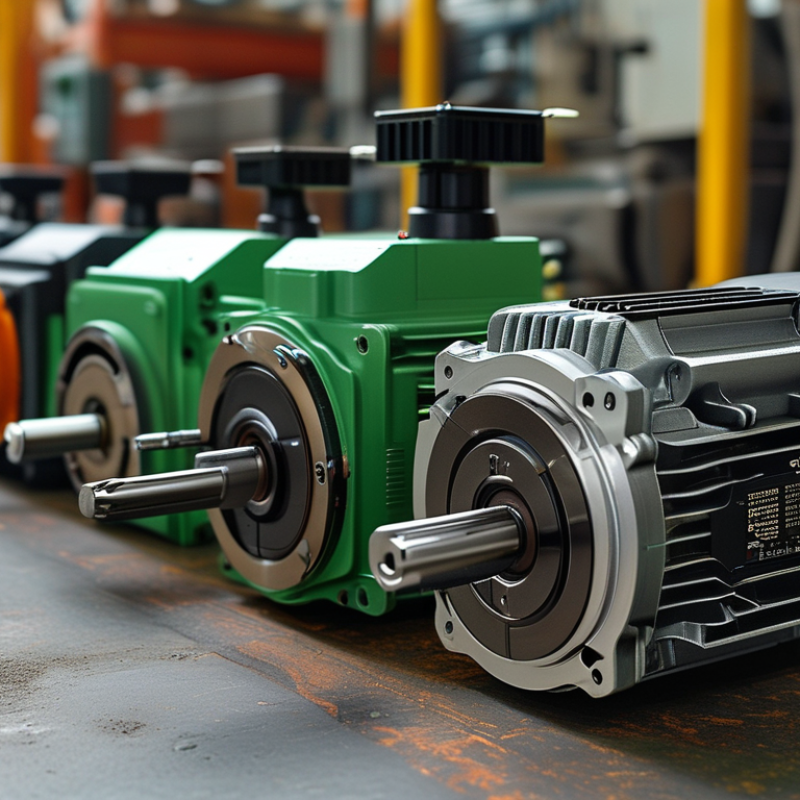
Latest Tips on Trends in Shutter Motor Technology?

Current Innovations in Shutter Motor Design and Performance

The landscape of shutter motor technology is rapidly evolving. Recent innovations in design focus on improving efficiency and ease of use. Manufacturers are exploring advanced materials to enhance durability while reducing weight. This shift not only extends the product life but also impacts energy consumption positively.

Control systems are also seeing a significant upgrade. Many new models now feature smart integrations, allowing users to operate shutters remotely. This feature offers convenience but raises concerns about cybersecurity. Ensuring the security of these systems is vital as more homes and businesses rely on them.

Moreover, the performance of shutter motors is under continuous scrutiny. Improved torque and speed can mean faster operation, but there’s a balancing act involved. High-speed motors may generate more noise, which could affect user satisfaction. Striking the right balance between performance and user experience remains a challenge that requires ongoing innovation and reflection.

Latest Tips on Trends in Shutter Motor Technology

Trend Description Impact on Performance Future Outlook
Smart Integration Incorporating IoT technology for remote control and automation. Increased user convenience and functionality. Growth in smart home applications, enhancing user experience.
Energy Efficiency Development of low-power motors that reduce energy consumption. Lower operational costs and increased sustainability. Growing demand for eco-friendly solutions in various sectors.
Compact Designs Miniaturization of motors for space-saving applications. Facilitates integration into smaller or more aesthetic installations. Increase in market for miniaturized home and industrial applications.
Enhanced Durability Use of robust materials and designs to withstand harsher environments. Longer lifespan and reduced maintenance costs. Increasing adoption in outdoor or industrial applications.
Advanced Control Algorithms Implementation of AI-based algorithms for optimized motor control. Improved precision and responsiveness of shutter movements. Expanding capabilities in high-performance applications.

Emerging Technologies in Shutter Motor Automation and Control

Shutter motor automation is evolving rapidly. Emerging technologies are reshaping how these systems operate. One key trend is the integration of smart sensors. These devices provide real-time feedback, enhancing control and efficiency. They detect environmental changes and adjust shutter positions accordingly. This automation minimizes energy costs and improves comfort in residential and commercial spaces.

Wireless communication is another significant development. It enables seamless integration with home automation systems. Users can control shutters remotely through smartphones or tablets. However, the reliance on wireless connectivity raises concerns about stability and security. Data breaches could compromise system integrity, making it essential to focus on robust security measures.

Additionally, the adoption of artificial intelligence is transforming shutter motor technology. AI can learn user preferences, creating a personalized experience. However, algorithms may not always predict accurately, leading to unexpected adjustments. Addressing these concerns requires continuous refinement of AI systems. The collaboration between technology and user input is vital for achieving optimal performance.

Sustainability Trends in Shutter Motor Manufacturing Processes

In recent years, sustainability has become a critical focus in shutter motor manufacturing. Reports highlight that nearly 45% of manufacturers are now prioritizing eco-friendly materials. This shift reflects a growing awareness of environmental impacts. Reducing carbon footprints and utilizing renewable resources can significantly enhance industry sustainability.

Adopting energy-efficient production processes is essential. For instance, manufacturers embracing energy-efficient motors can cut energy consumption by up to 30%. This not only helps the planet but also reduces operational costs. The industry is also exploring biodegradable components as viable options. Such innovations can mitigate waste and improve end-of-life scenarios for these products.

Tip: Consider integrating modular designs. They facilitate easier replacement of parts, leading to less waste. As we advance, transparency in sourcing materials will be crucial. Providing detailed environmental impact assessments will build consumer trust. Balancing profitability and sustainability remains challenging but imperative for the sector's future.

Key Market Players and Their Contributions to Shutter Motor Development

The shutter motor technology landscape is rapidly evolving, driven by key market players. Recent data from industry analysts shows that the global shutter motor market is projected to reach USD 12 billion by 2025, expanding at a CAGR of 6%. Notably, the growing demand for automation in residential and commercial settings fuels this growth. Companies are investing in research and development to enhance motor efficiency and reliability.

Several contributors stand out in this sector. Their focus on exploring innovative materials and designs shapes performance standards. One informed report highlights that advancements in brushless DC technology can increase energy efficiency by up to 30%. However, challenges persist. Many manufacturers struggle with scalability and production costs, which can stifle innovation. The balance between quality and affordability remains a critical obstacle.

Collaboration is vital. Companies often team up with universities and research institutions to solve complex problems. This synergy can lead to breakthroughs in sensor integration and smart features. Such partnerships illustrate the importance of collective expertise in advancing shutter motor capabilities. Yet, it's essential to remain cautious. Overreliance on any single technology can lead to vulnerabilities in the market.

Future Directions for Smart Shutter Motor Applications in Home Automation

Home automation is evolving rapidly, with smart shutter motors at the forefront. These technologies enhance energy efficiency and convenience. They allow homeowners to control lighting, privacy, and security effortlessly. The integration of these motors into home automation systems offers immense potential for improved living experiences.

When considering the latest trends, one tip is to focus on energy management. Smart shutter motors can be programmed to open and close based on the sun's position. This helps in regulating indoor temperatures. It's a small change but can lead to significant energy savings. Another area to watch is voice control compatibility. This feature enhances user convenience and can be a game-changer for accessibility.

However, it's essential to reflect on the shortcomings of current technologies. Many systems rely heavily on Wi-Fi, leading to potential accessibility issues during outages. Additionally, while some systems claim to be user-friendly, they may require extensive setup and maintenance. Addressing these challenges will be crucial for future advancements in smart shutter motor applications. As the industry evolves, staying informed is vital for leveraging the best technology in home automation.

FAQS

: What are the latest advancements in shutter motor design?

: Recent designs focus on efficiency and user-friendliness. Advanced materials improve durability while reducing weight.

How does automation affect shutter motors?

Automation enhances control and efficiency. Smart sensors adjust positions based on environmental changes.

Can I control shutter motors remotely?

Yes, many models allow remote control. Users can operate shutters using smartphones or tablets.

What security concerns exist with smart shutter systems?

Cybersecurity is a major concern. Data breaches could compromise system integrity and user privacy.

How does speed impact shutter motor performance?

Faster motors improve operation but may generate noise. Balancing speed and user satisfaction is challenging.

What role does artificial intelligence play in shutter technology?

AI personalizes user experience. However, it may not always predict preferences accurately, leading to adjustments.

How can energy costs be minimized with shutter motors?

Automation and smart sensors can detect changes, optimizing shutter positions to lower energy usage.

Are there any downsides to automation in shutter systems?

Over-reliance on technology can lead to stability issues. Continuous refinement is essential for optimal performance.

How important is collaboration in technology development?

User input helps shape better systems. It's vital for achieving the best performance in shutter motor technology.

Conclusion

The article explores what are the latest trends in shutter motor technology, highlighting current innovations in design and performance that enhance efficiency and reliability. Noteworthy advancements include the integration of emerging technologies that facilitate automation and control, providing users with smart solutions for home environments.

Additionally, sustainability trends are shaping manufacturing processes, emphasizing eco-friendly materials and energy-efficient practices. The discussion also covers key market players and their contributions to the development of shutter motors, showcasing the collaborative efforts driving the industry forward. Finally, future directions indicate a growing focus on smart shutter motor applications, aligning with the broader movement towards home automation and enhanced user experience.

Sienna

Sienna

Sienna is a skilled marketing professional with a deep expertise in our company’s core products and services. With a passion for innovation and detail, she plays a pivotal role in crafting insightful blog posts that not only highlight the unique features of our offerings but also provide valuable......