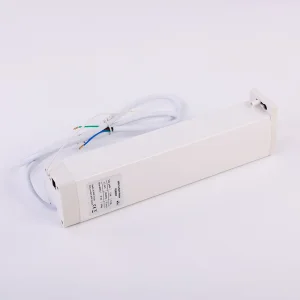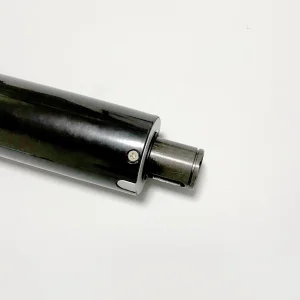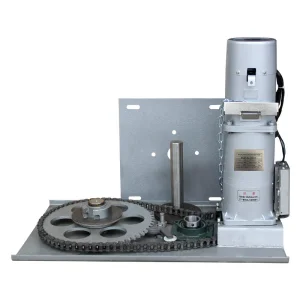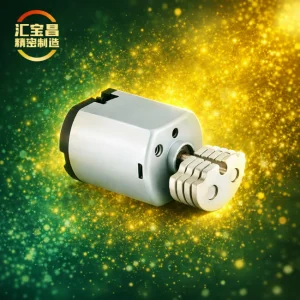
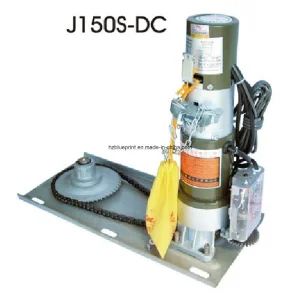
The integration of intelligent motorized systems has transitioned roller shutters from basic physical barriers to sophisticated components of automated thermal envelope and security frameworks. Global engineering requirements call for high precision, absolute compliance, and reliable supply chains.
In the modern architectural landscape, roller shutter systems are central to residential comfort, industrial logistics, and commercial security. By automating these physical configurations, building operators gain granular control over thermal transmittance, acoustics, visual privacy, and security protocols. Consequently, the performance of the integrated drive systems—specifically tubular motors, side motors, and central operators—is critical. Selecting top-tier suppliers requires assessing engineering capacity, strict adherence to regional certification systems, and reliable supply chains capable of delivering parts at scale without sacrificing quality.
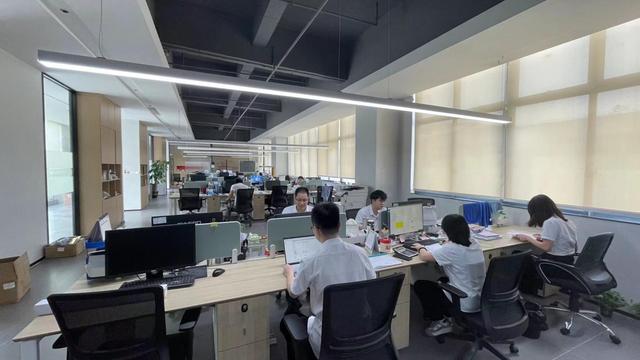
Global procurement directors evaluate suppliers based on operational stability and engineering versatility. As a benchmark manufacturer in this landscape, Ningbo Torsion Motor Co., Ltd. represents the capabilities required to serve demanding international markets. Established in 2010 and located in Ningbo, Zhejiang Province, China, Torsion Motor operates a modern production facility covering more than 10,000 square meters and employs over 200 experienced staff members. The company integrates product development, precision manufacturing, quality control, and international sales to provide reliable motorized drive systems for residential, commercial, and industrial applications.
The industrial concentration in China's eastern coastal provinces—specifically the Ningbo and greater Zhejiang industrial clusters—creates a highly efficient production network. This regional centralization provides distinct advantages that benefit global procurement teams:
Immediate access to high-grade silicon steel sheets, high-purity copper windings, and precision planetary gear components lowers baseline raw material costs while keeping strict quality control in place.
Integrated supply chains reduce logistics bottlenecks, lower freight costs for internal parts, and support flexible manufacturing setups to easily accommodate scale adjustments.
Advanced tooling and testing facilities allow manufacturers to modify motor torque configurations, mechanical/electronic limit settings, and smart protocols based on client needs.
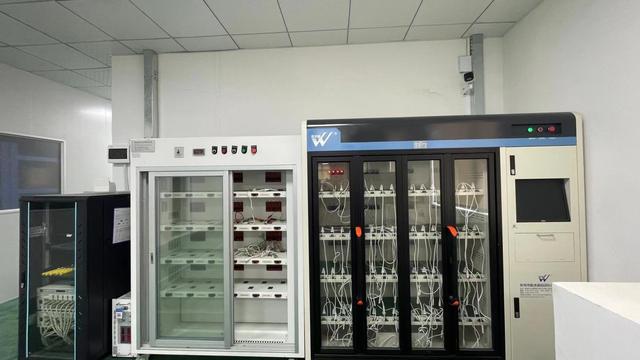
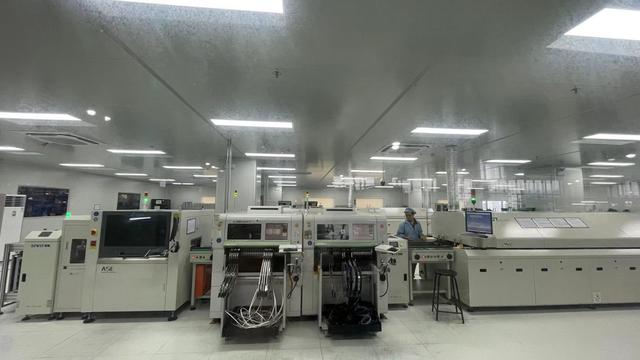
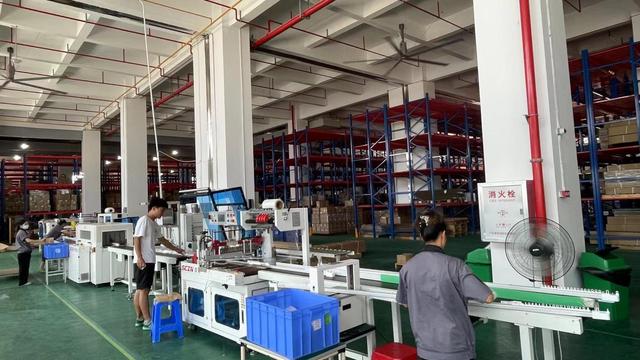
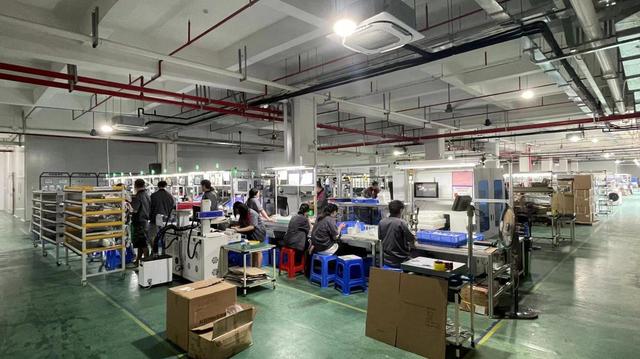
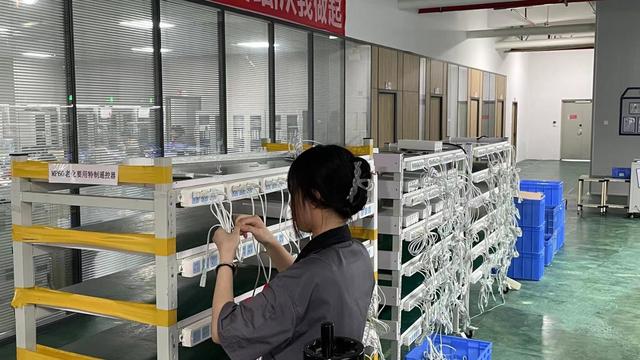
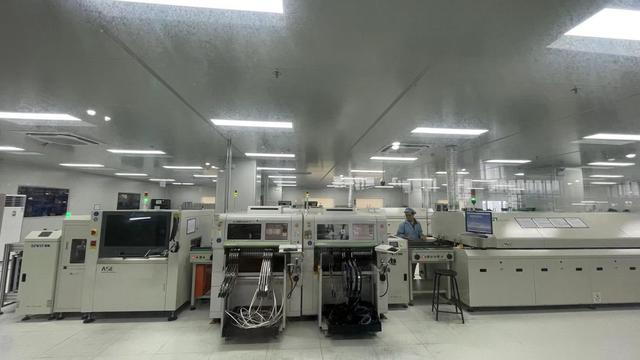
This ecosystem enables manufacturers like Ningbo Torsion Motor to balance cost-efficiency with high performance. With advanced manufacturing equipment, automated assembly lines, motor testing laboratories, and comprehensive quality management systems utilized throughout the production process, Torsion Motor ensures consistent quality and long-term durability. The company also supports customized motor development based on specific torque, speed, control, and installation requirements.
Take a look inside the modern manufacturing processes, assembly, quality control labs, and logistics centers that drive global roller shutter system motorization exports.
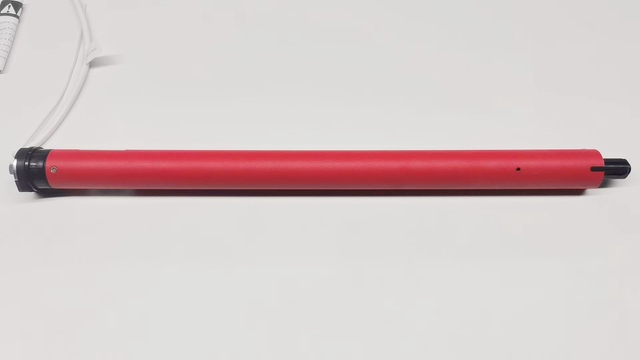
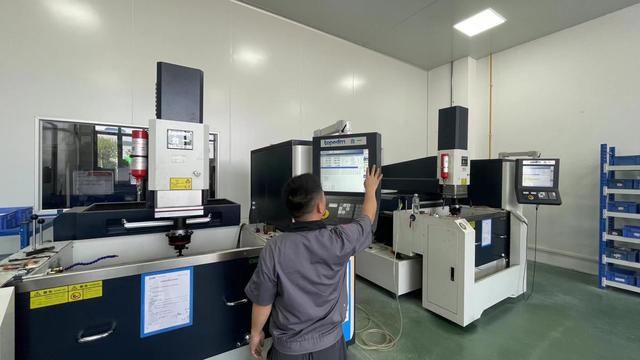
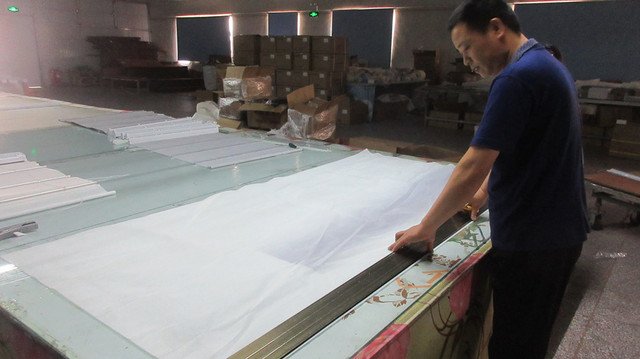
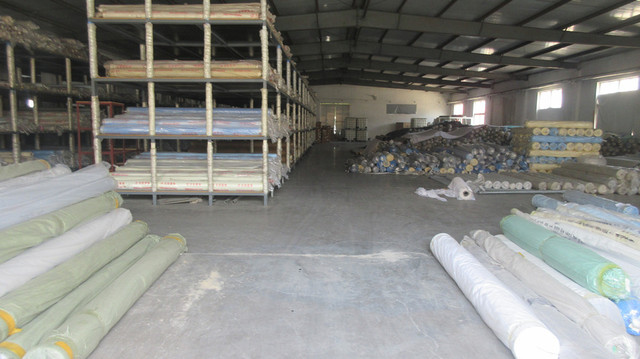
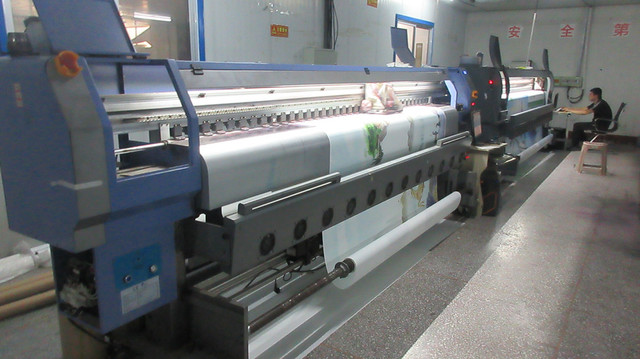
Global procurement managers, architectural integrators, and industrial door builders assess shutter systems and drive technologies based on strict operating parameters. Standard motor installations require durability under varied environmental conditions, precise limit controls, and integration with broader building management frameworks.
Outdoor installations, such as commercial facades, garage entries, and patio awnings, demand high ingress protection. Motors with IP44 certifications protect inner electrical components against splashing water and dust. For heavy-duty industrial requirements, side motors with safety catch systems prevent accidental curtain drops, ensuring plant safety.
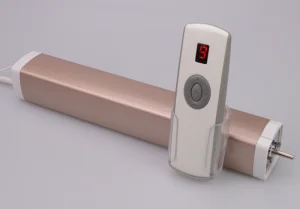
Precise open and close positions protect the structural frame of roller shutters. Mechanical limits offer long-term reliability in extreme temperatures, while electronic limits allow installers to program stops via remote control transmitters or central building controllers.
Smart home systems require compatibility with common connection protocols. Shutter motors must connect with Zigbee, Wi-Fi, RS485, and KNX interfaces, enabling automated control based on environmental changes, building schedules, or energy management plans.
Sourcing systems must align with regional safety standards. This includes CE directives for European markets, UL approval for North American installations, and AS/NZS compliance in Australia. In fire-safe areas, integrated systems require certified fireproof rolling door operators to ensure reliable operation under extreme thermal conditions.
For international shutter distributors and project engineers, a product is only as good as its support structure and regional certifications. True reliability extends beyond the factory floor to include detailed document delivery, regional compliance, and reliable engineering support.
With products exported to Europe, North America, South America, Southeast Asia, the Middle East, and Africa, Ningbo Torsion Motor Co., Ltd. has established long-term business relationships with customers across diverse international markets. The company provides localization assistance to simplify global project approvals:
All manufactured units undergo certification checks to meet standard markets requirements, including CE, RoHS, and TUV certificates, streamlining regional custom clearances and building inspections.
Suppliers provide complete dimensional CAD files, electrical wiring schematics, and multilingual troubleshooting guides to help local contractors install systems quickly and correctly.
Multi-year warranties are backed by replacement parts programs, ensuring minimal downtime for end users and commercial properties.
The roller shutter and building access industries are evolving rapidly, driven by energy-efficiency regulations and smart building automation:
Integrating solar panels with low-voltage DC drive systems allows roller shutters to operate independently of the main grid. This setup is highly effective for off-grid homes, remote cabins, and emergency facilities, reducing backup power requirements.
High-end residential projects require quiet operation. Designers use advanced planetary gearboxes and vibration-damped motor mounts to keep operational noise below 40dB, matching modern architectural standards.
Modern drive systems feature smart sensors that detect obstacles during operation, automatically reversing the motor to prevent damage or injury. Anti-lift configurations also lock the shutter slats when fully closed, improving building security.
Commercial facilities use motorized shutters linked to central fire systems. These motors operate at higher voltages, such as 380V, and are designed to close automatically when a fire alarm is triggered, helping contain heat and smoke.
Motorized roller shutters are used across many industries, with each application demanding specific performance characteristics:
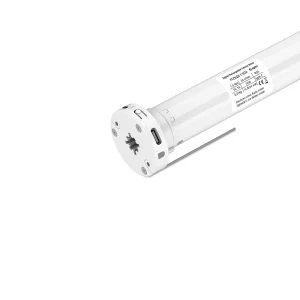
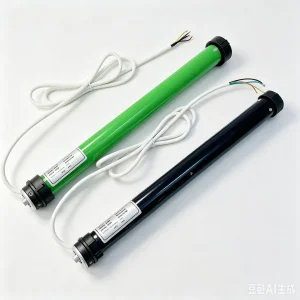
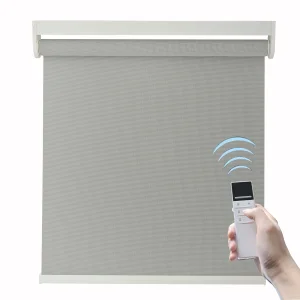
Compact 35mm and 45mm tubular motors are installed inside window lintels to automate roller shades and projection screens. These units run quietly, support smart home controls, and integrate with solar energy panels.
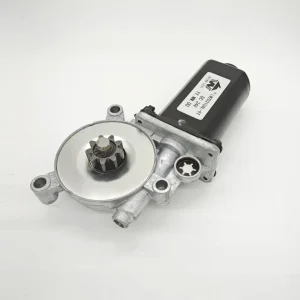
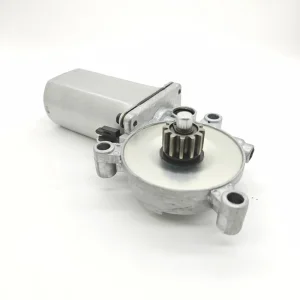
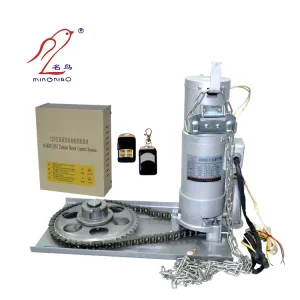
Heavy-duty doors use robust side motors (300kg to 1500kg load capacities) to handle continuous opening and closing cycles. These systems include thermal protection and manual chain overrides for power outages.
Storefront facades use compact, high-torque tubular or side-mount systems. Fireproof operators are designed to close automatically in emergencies, containing fire zones and protecting escape routes.
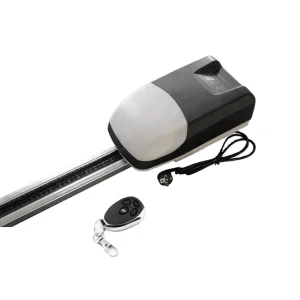
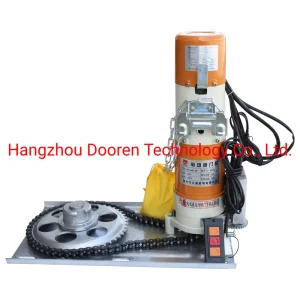
Find answers to common questions about specifying, purchasing, and maintaining motorized roller shutter systems.
 Torsion Motor