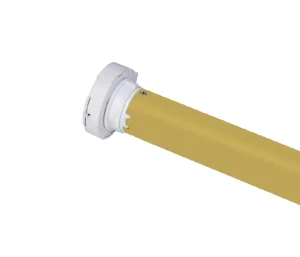
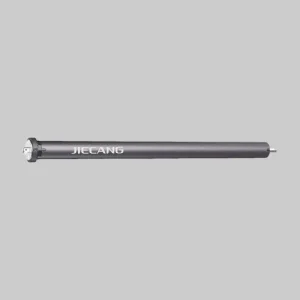
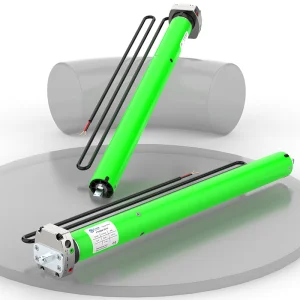
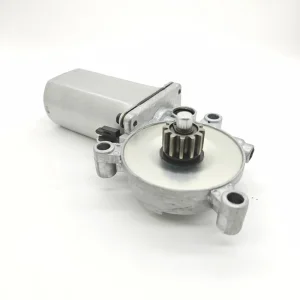
Engineered for high thermal tolerance, low-voltage solar adaptability, and extreme wind resistance in Namibia's microclimates.
How extreme ultraviolet levels, desert wind patterns, and energy decentralization govern the specification of motorized systems.
Namibia is characterized by some of the highest solar irradiance levels in the world, averaging over 3,000 hours of sunshine annually. From the rapid commercial growth in Windhoek to the high-humidity, saline coastal conditions of Walvis Bay and Swakopmund, construction and tourism projects face complex environmental stressors. Shading systems are no longer luxury additions; they are vital components of thermodynamic structural envelopes.
Traditional manual awnings frequently fail due to sudden thermal winds (such as the Berg winds) blowing off the interior plateau. This has created a critical market shift toward intelligent motorized solutions. Structural engineers and architectural developers are standardizing automated shading to reduce internal building cooling loads by up to 35% in commercial spaces, mitigating the strain on local municipal power grids.
With massive investments flowing into Green Hydrogen initiatives near Lüderitz and the expansion of the Walvis Bay port corridor, Namibia is seeing a surge in modern industrial park development, luxury eco-tourism lodges, and premium coastal residential properties. These developments require motorized roll-up doors, heavy-duty awnings, and automated structural sunscreens. By supplying heavy-torque tubular motors directly to this growth corridor, we enable local fabricators to deliver international-grade building automation.
Our motor technology addresses structural and environmental challenges with specialized design characteristics.
Equipped with internal thermal overload protection and high-temp lubricants, our motors operate continuously in ambient desert temperatures exceeding 45°C.
Sealed with marine-grade coatings, our coastal-series motors protect internal components from the highly corrosive sulfur-bearing fog characteristic of Swakopmund.
Engineered for low-voltage (12V/24V DC) consumption, our motors integrate directly with off-grid photovoltaic arrays and battery systems common in luxury bush camps.
Leveraging high-precision manufacturing from Ningbo to provide high-torque, energy-efficient tubular motor lines globally.
As the smart building sector scales globally, shading automation is evolving from standalone AC switches to integrated bus networks (RS485, KNX, Zigbee). Modern buildings require motor assemblies with precise mechanical limits, minimal power draw, and silent operations. To meet these performance expectations, specialized manufacturing setups are critical.
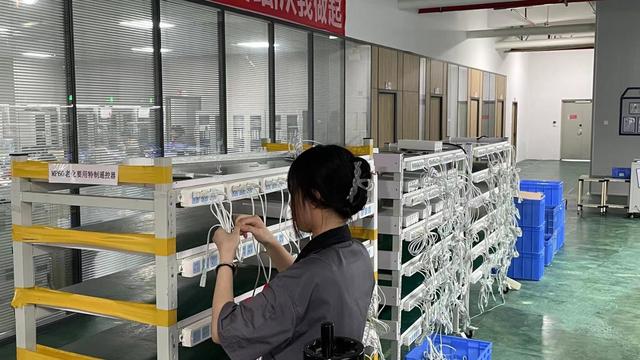
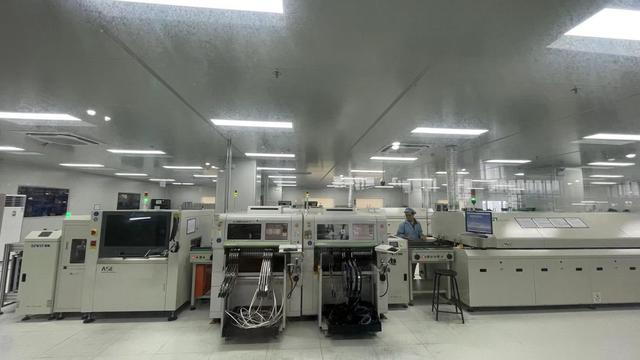
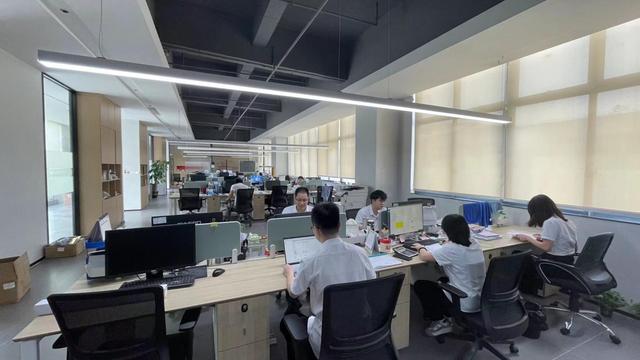
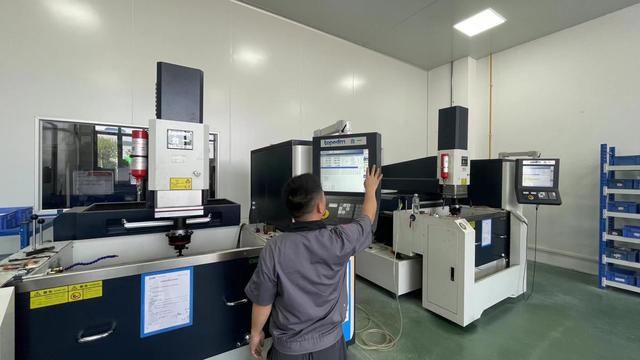
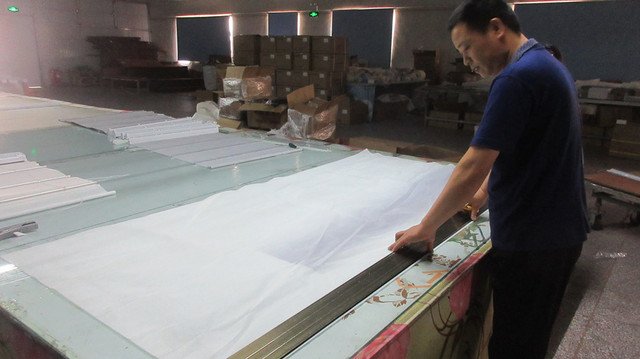
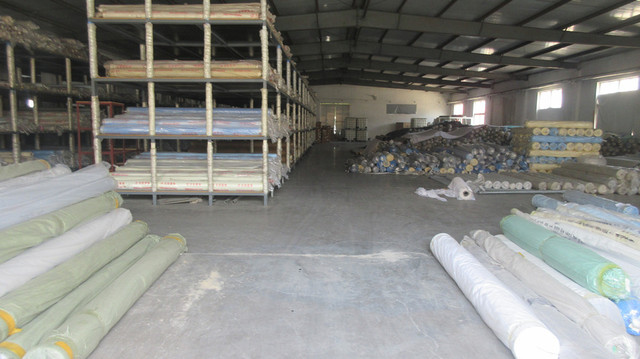
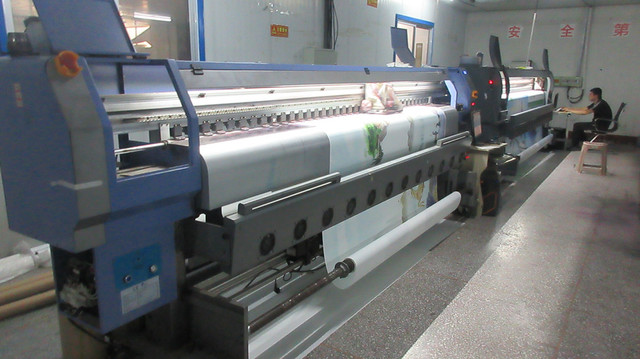
Ningbo Torsion Motor Co., Ltd. stands as a key partner in this global industrial shift. Operating from a modern 10,000 square meter facility in Ningbo, China, the facility houses specialized R&D departments, state-of-the-art automated winders, structural CNC machine shops, and rigorous motor lifecycle testing benches. By integrating raw component casting with electronic controller assembly under strict ISO 9001 protocols, we ensure our international distribution pipelines receive consistent, defect-free systems.
For Namibia and the wider SADC region, our OEM and ODM manufacturing capabilities mean local distributors can customize mechanical torque ranges, electrical input tolerances (such as stabilization against grid voltage swings), and remote frequency bands to align perfectly with regional technical regulations.
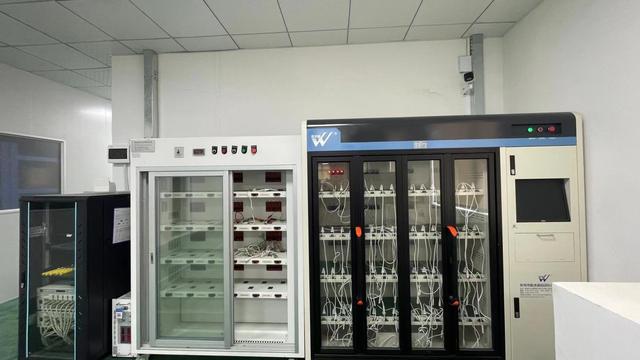
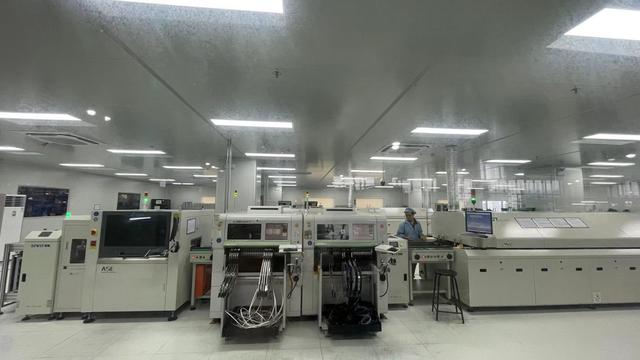
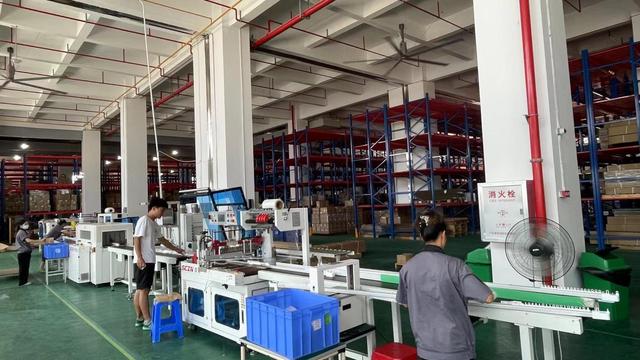
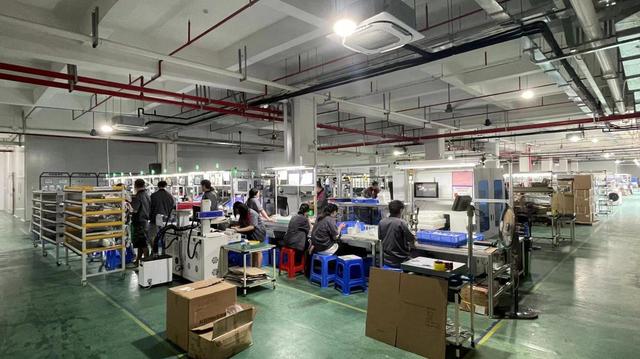
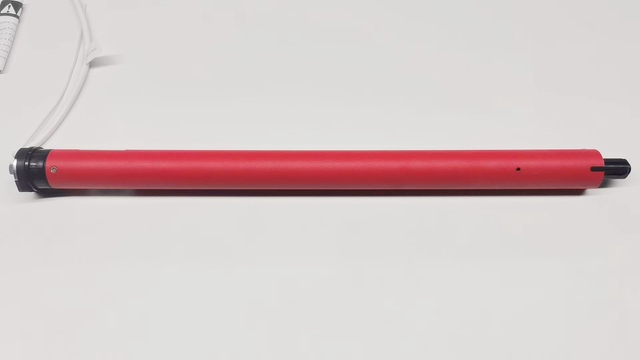
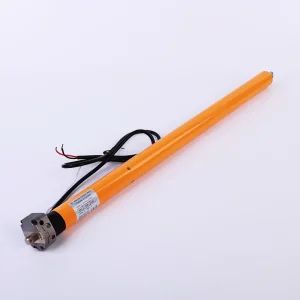
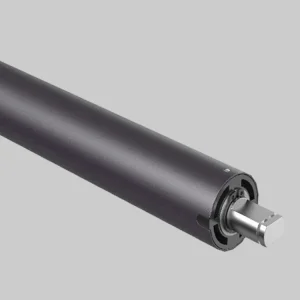
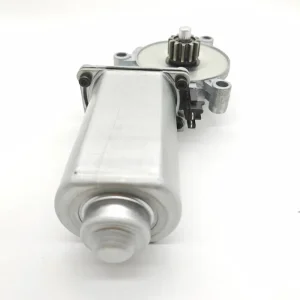
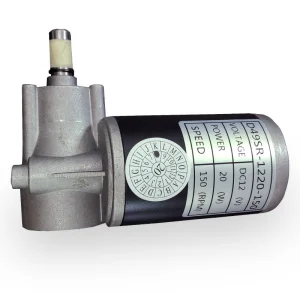
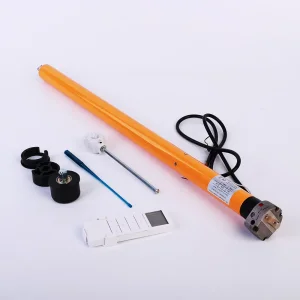
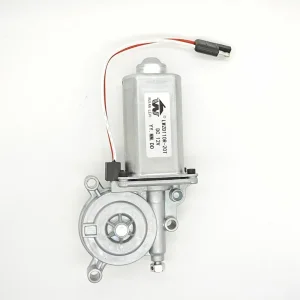
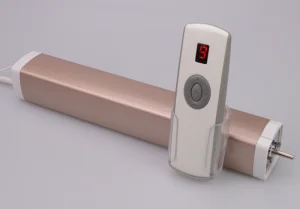
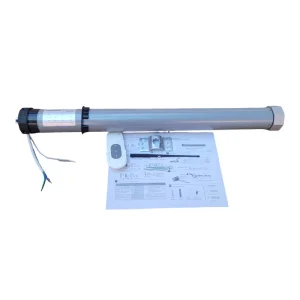
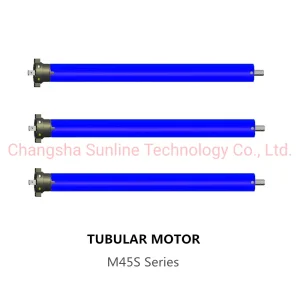
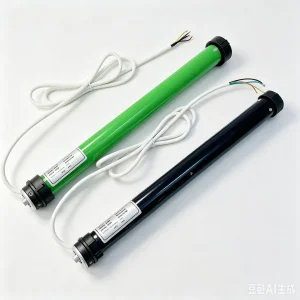
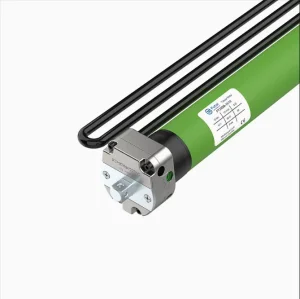
Comprehensive actuator lines including mechanical manual overrides, heavy industrial AC units, and high-frequency smart control options.
Practical application cases where motorized solutions solve operational issues in Namibia.
In high-end eco-tourism, guests demand uninterrupted immersion in nature without losing access to modern amenities. Solar-powered luxury tents and permanent lodges use our low-noise DC tubular motors (such as the Miniature Lwzd110r-20t 12V DC series) to automate canvas window panels and overhead pergolas. These systems draw directly from local battery banks, using negligible standby currents to preserve solar capacity overnight.
Multi-story commercial properties in Windhoek face high thermal load on north- and west-facing glazing. By utilizing our customizable AC electric tubular motors integrated into smart facade systems, developers implement automated solar tracking. External roller shades adjust automatically based on sunlight angle, lowering HVAC operating costs and ensuring comfortable workplace illumination without glare.
Industrial roll-up shutter systems at the Port of Walvis Bay require motors that withstand abrasive sand dust and humid air. Heavy-duty 220V AC tubular motors with manual crank capabilities (such as the 45DM Mechanical Manual Override Series) provide dependable operation. Even during municipal power drops, operators can manually raise or lower heavy security shutter systems with mechanical overrides.
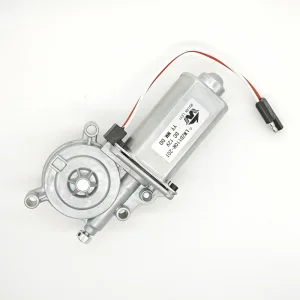
Retaining our complete specialty line for bespoke architectural layouts and transport applications.
A look at the production controls that make our motors reliable across global export markets.
At Ningbo Torsion Motor Co., Ltd., we understand that motor reliability determines the long-term viability of an architectural shading project. A single failed motor can require costly scaffolding work, high travel expenses to remote safari camps, and downtime for commercial venues. To prevent this, our manufacturing program incorporates multiple quality gates:
We work closely with Namibian fabricators, structural builders, and regional distributors, offering comprehensive technical support, customizable motor lengths, and matching drive adapters for various octagonal and round aluminum roller tubes.
Adapting shading control to IoT developments, off-grid systems, and automated weather protection.
The modern shading industry is moving beyond basic toggle-switch controls. Our R&D division focuses on integrating three primary development areas to improve reliability and user control in region-specific installations:
Automated wind protection is vital for high-wind coastal areas like Lüderitz or Swakopmund. Our motors feature integrated control boards that link directly to wind, rain, and sun sensors. When wind speeds exceed safe limits, the motor retracts the awning automatically, preventing damage to the frame or fabric. Similarly, integrated sun sensors deploy awnings during peak UV hours to keep buildings cool, even when unoccupied.
For remote areas in Namibia where grid access is limited, running 230V AC lines is often impractical. Our development focus includes low-voltage DC motors designed to operate directly from small PV panels and integrated lithium batteries. These self-contained units operate independently of the main electrical grid, making them highly reliable options for eco-lodges, agricultural outposts, and caravan applications.
Our tubular motors support RS485, dry contact, and RF control protocols, allowing them to integrate with modern Building Management Systems (BMS). Using Wi-Fi and Zigbee bridges, operators can control shading installations from mobile devices or configure automated schedules that adjust to seasonal daylight changes in Namibia.
Answers to common questions regarding engineering, selection, and local integration of awning motors.
Consult with our engineering team to select the right torque specs, control options, and mounting accessories for your next project in Namibia.
Send Inquiry Now Torsion Motor