The global intelligent shutter industry has undergone a radical transformation over the last decade. Transitioning from simple mechanical crank systems to sophisticated Internet of Things (IoT) integrated drive systems, the demand for "Smart Enclosures" is skyrocketing. This growth is driven by the urgent need for energy efficiency, enhanced security, and the rising trend of building automation in both residential and industrial sectors. As a leading figure in this space, Ningbo Torsion Motor Co., Ltd. stands at the intersection of precision engineering and digital innovation.
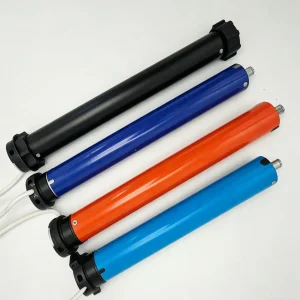
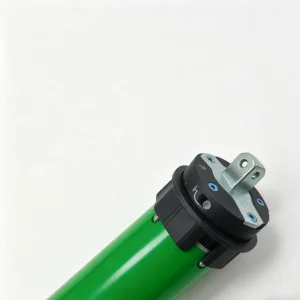
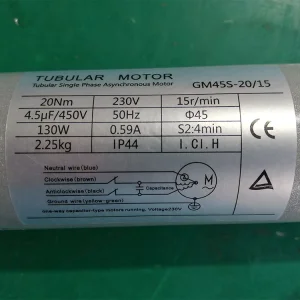
Current market trajectories indicate that intelligent shutter solutions are no longer luxury items but essential components of modern sustainable architecture. Integrating sensors that detect sunlight, wind speed, and thermal fluctuations, today's motors (like our 45mm and 59mm tubular series) provide autonomous adjustments that can reduce building energy consumption by up to 30%. The integration of AI algorithms allows these systems to learn user habits, optimizing for privacy and climate control without manual intervention.
Establishing long-term business relationships with global distributors, Ningbo Torsion Motor Co., Ltd. has observed a significant shift toward Matter-compatible and Zigbee-enabled devices. Our R&D center is currently focused on high-torque, low-noise brushless DC (BLDC) motors that offer unparalleled durability and control precision for heavy-duty industrial and sophisticated residential applications.
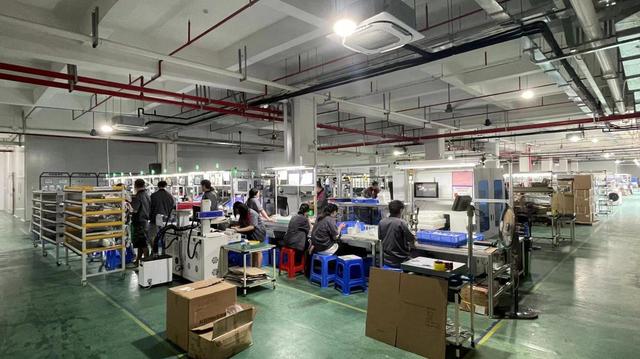
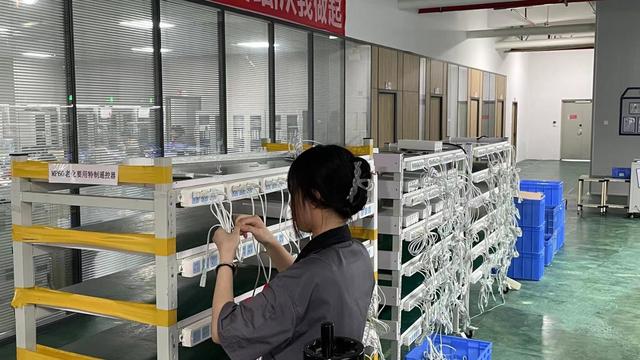
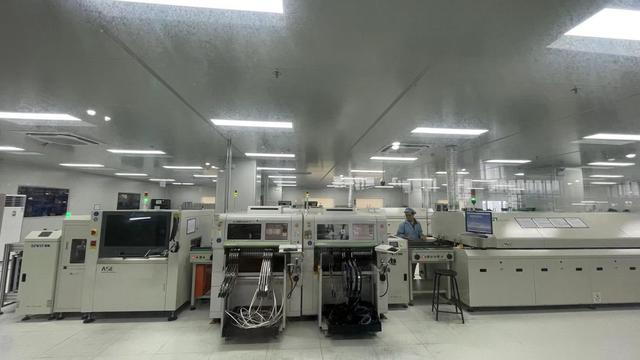
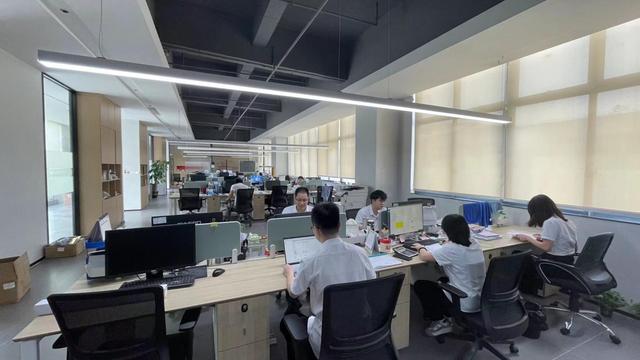
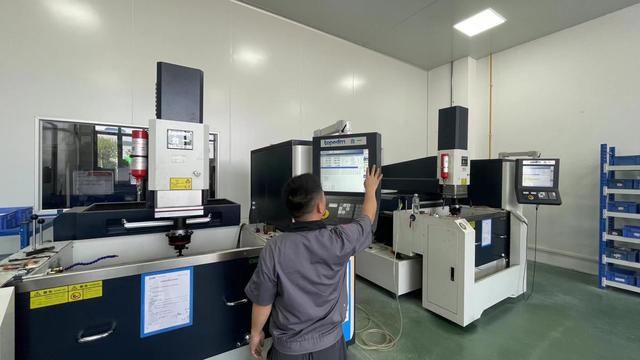
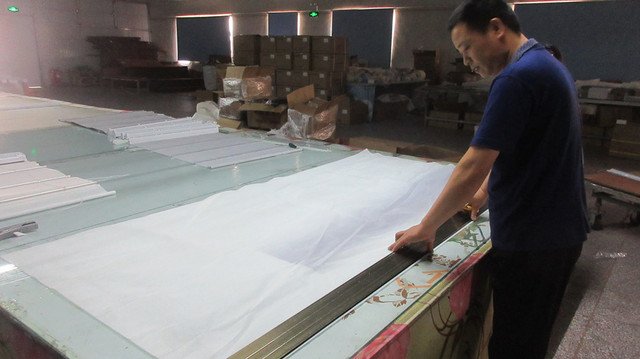
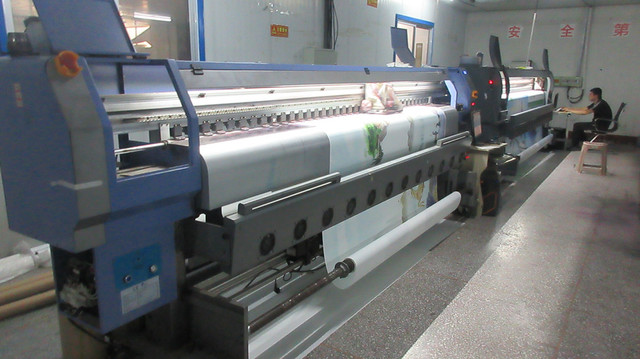
Founded in 2010 in Ningbo, the heart of China’s motor manufacturing cluster, Torsion Motor operates a 10,000+ sqm state-of-the-art facility. With over 200 skilled specialists, we bridge the gap between complex engineering and reliable consumer products.
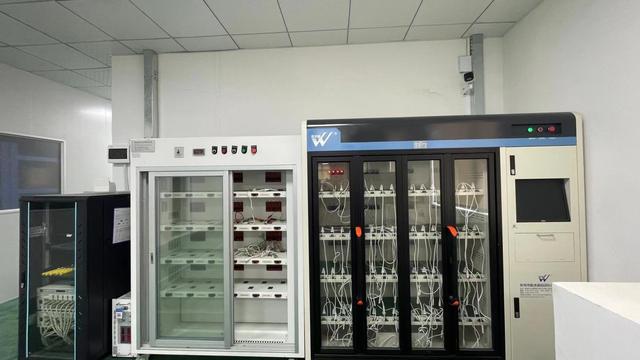
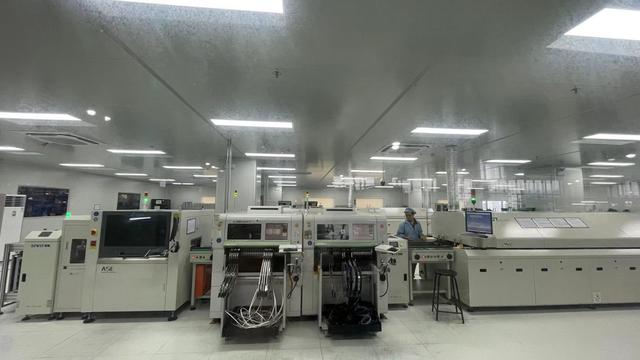
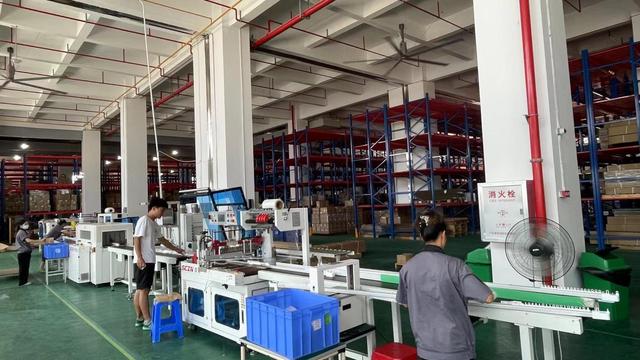
Utilizing automated assembly lines and dedicated motor testing laboratories, every unit undergoes rigorous torque, thermal, and noise testing to ensure compliance with international safety standards including CE, UL, and RoHS.
We provide comprehensive development services, tailoring motor speed, torque range, and control protocols to meet specific architectural requirements, from high-speed spiral doors to residential window coverings.
Years Experience
Sqm Factory
Global Markets
Expert Staff
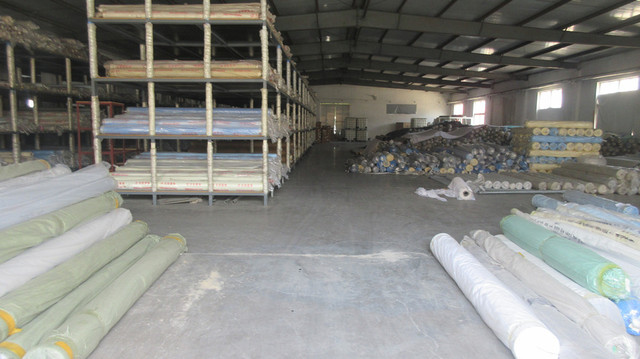
Sourcing from a leading Chinese manufacturer like Ningbo Torsion Motor offers more than just cost-competitiveness; it provides Supply Chain Vertical Integration. Located in Ningbo, Zhejiang Province, we leverage proximity to one of the world's largest shipping ports and a dense network of raw material suppliers (copper, high-grade steel, and specialized plastics). This proximity reduces lead times and allows for rapid prototyping of new motorized solutions.
For global enterprises, navigating local building codes and safety regulations is paramount. We assist our partners by providing:
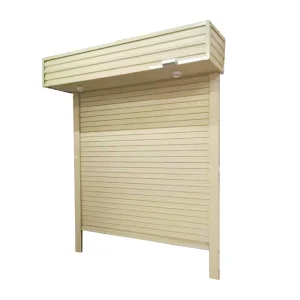
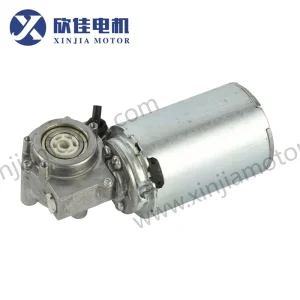
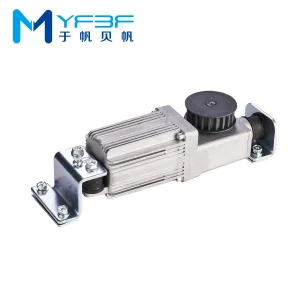
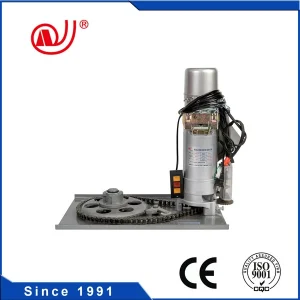
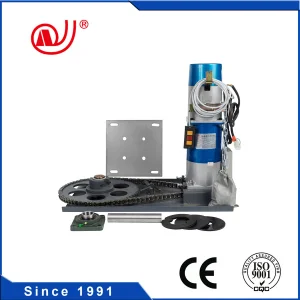
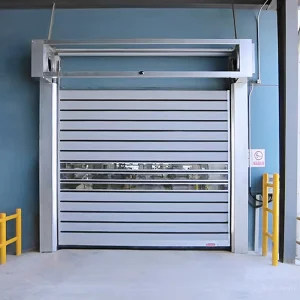
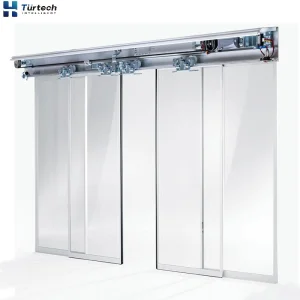
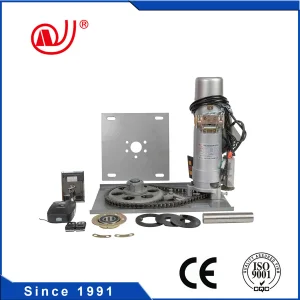
High-speed spiral doors and anti-wind aluminum shutters powered by our heavy-duty AC side motors ensure operational efficiency and security in high-traffic logistics hubs.
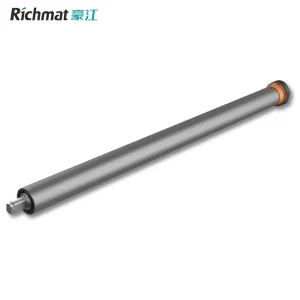
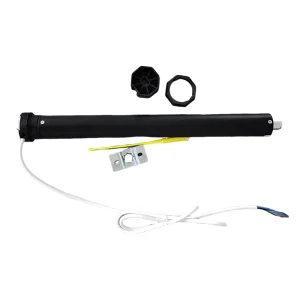
Tubular motors integrated with App and Voice control (Alexa/Google Home) for awnings and roller blinds, providing luxury and comfort for modern homeowners.
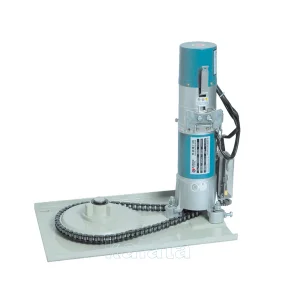
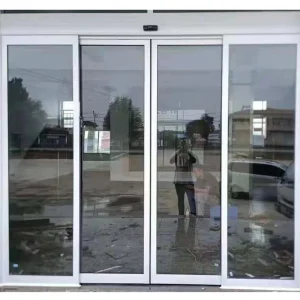
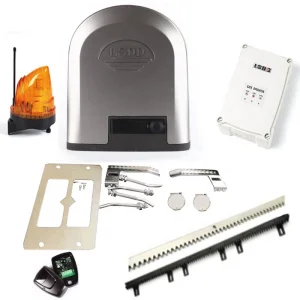
Reliable rolling gate motors for shopping malls and storefronts, offering silent operation and anti-theft manual overrides for emergency situations.
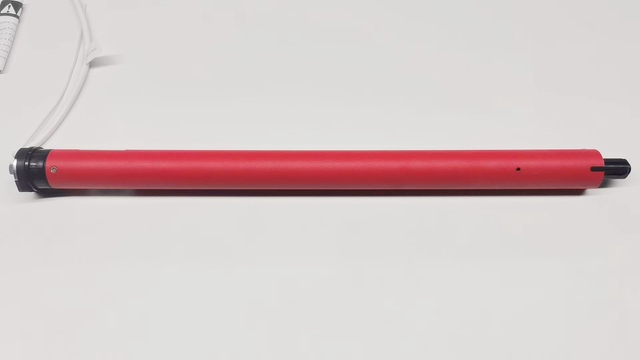
Brushless DC (BLDC) motors offer higher energy efficiency, significantly lower noise levels, and a longer lifespan compared to traditional AC motors. They also allow for more precise speed and position control, which is essential for smart home integration.
Our remote systems utilize rolling code technology to prevent signal interception and "replay attacks." We also offer encrypted WiFi and Zigbee modules for secure cloud-based control via mobile apps.
Yes. Many of our industrial and commercial motor models support dry contact or RS485 communication protocols, making them compatible with standard BMS frameworks for centralized building control.
Standard lead times for bulk orders are typically 3-4 weeks. For custom OEM projects involving new housing designs or specific torque requirements, the prototyping phase usually takes 2-4 weeks, followed by mass production.
 Torsion Motor